

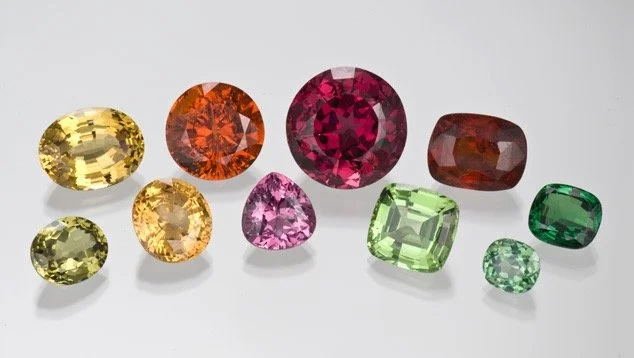
Garnet: One Name, Many Minerals—and Why the Variety Matters at the Bench
“Garnet” describes a family of closely related minerals, not one uniform gemstone. That matters at the bench because color, hardness, inclusions, value, and setting decisions can change with the variety in front of you.
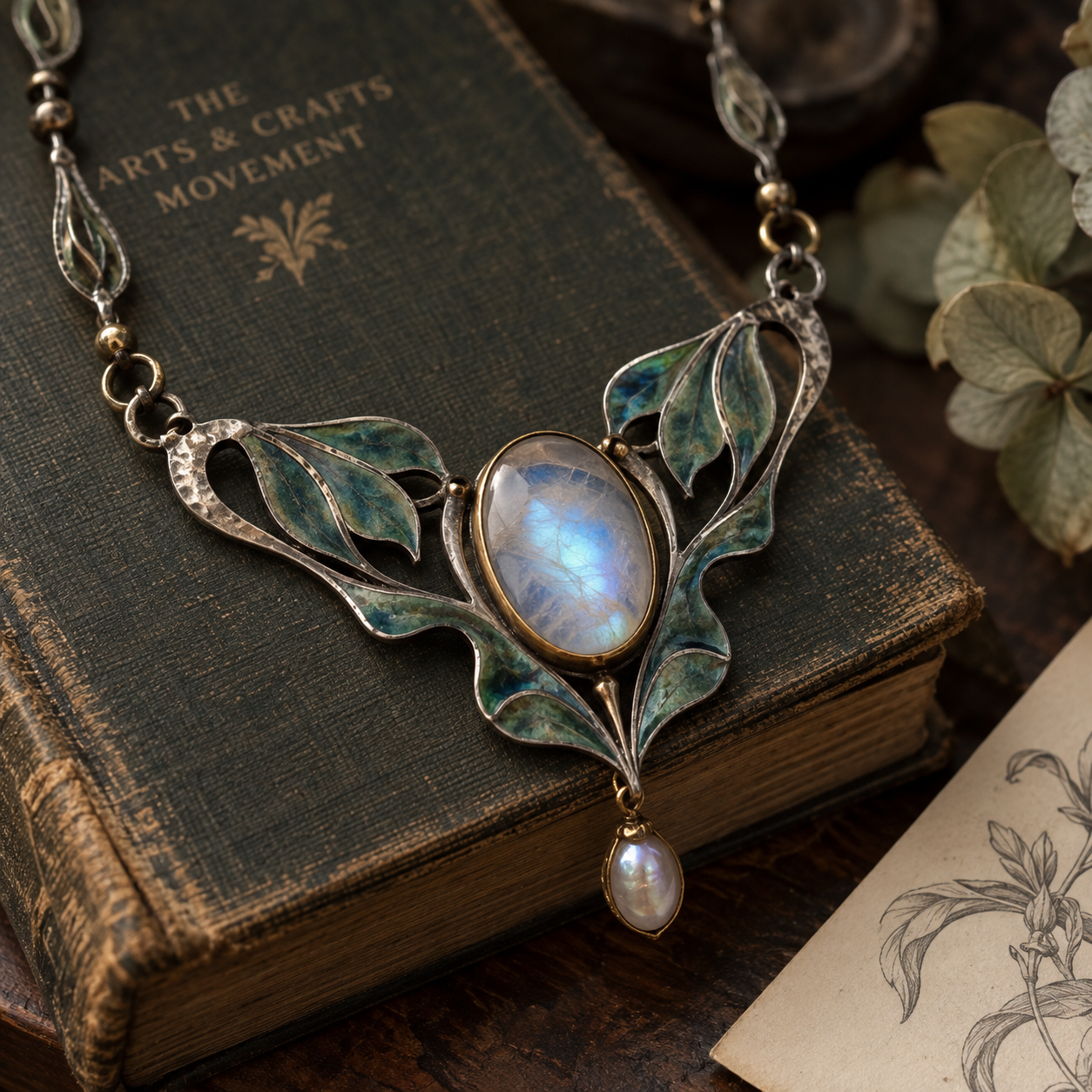
Arts & Crafts Jewelry: When the Hand of the Maker Became the Point
Arts and Crafts jewelry did more than revive handwork. It challenged the idea that value came only from precious materials or flawless repetition—and made the hand of the maker part of the meaning of the object.
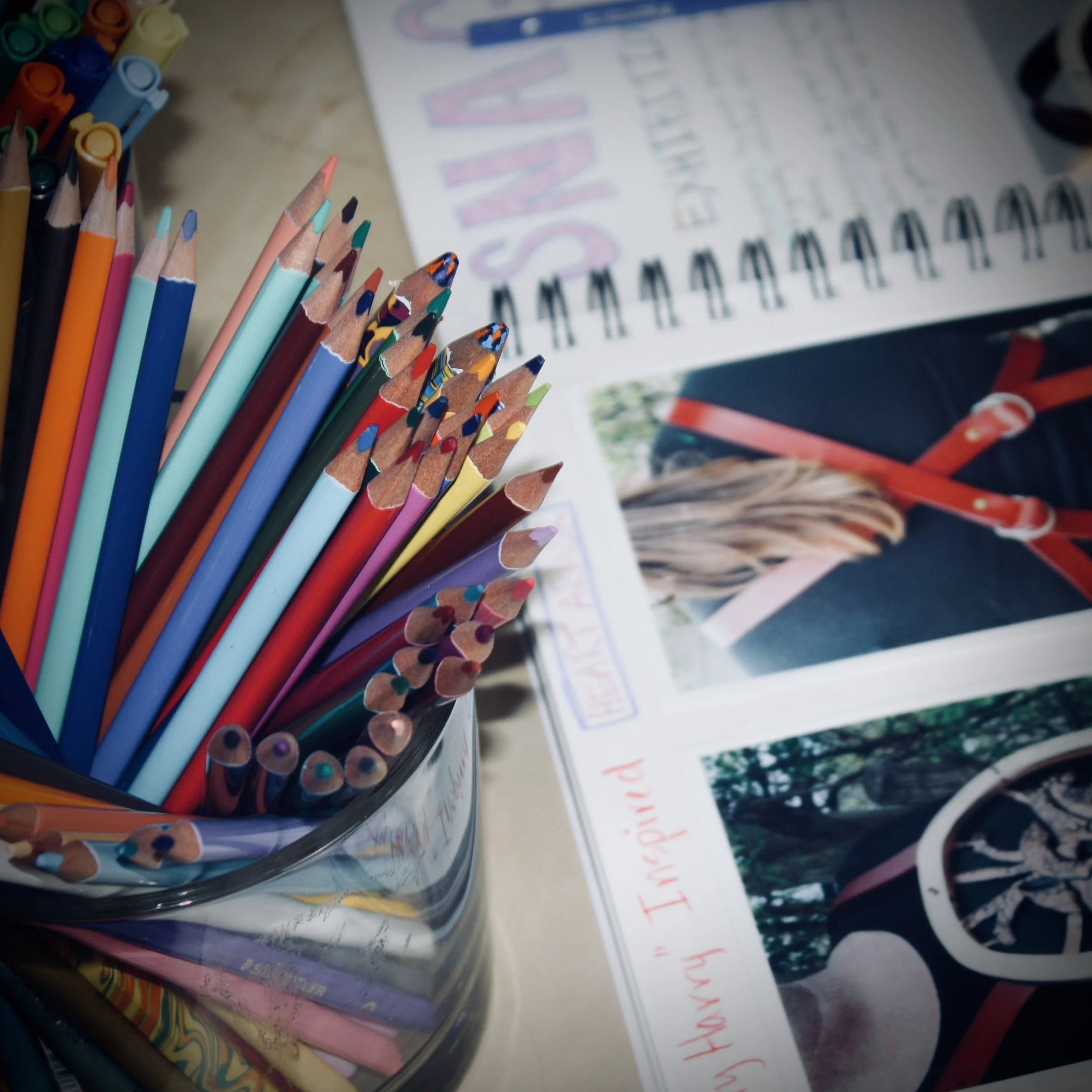
Build a Troubleshooting Notebook, Not Just a Project Notebook
A project notebook records what you made. A troubleshooting notebook records what you learned when something went wrong. That second record may become one of the most useful tools on your bench.
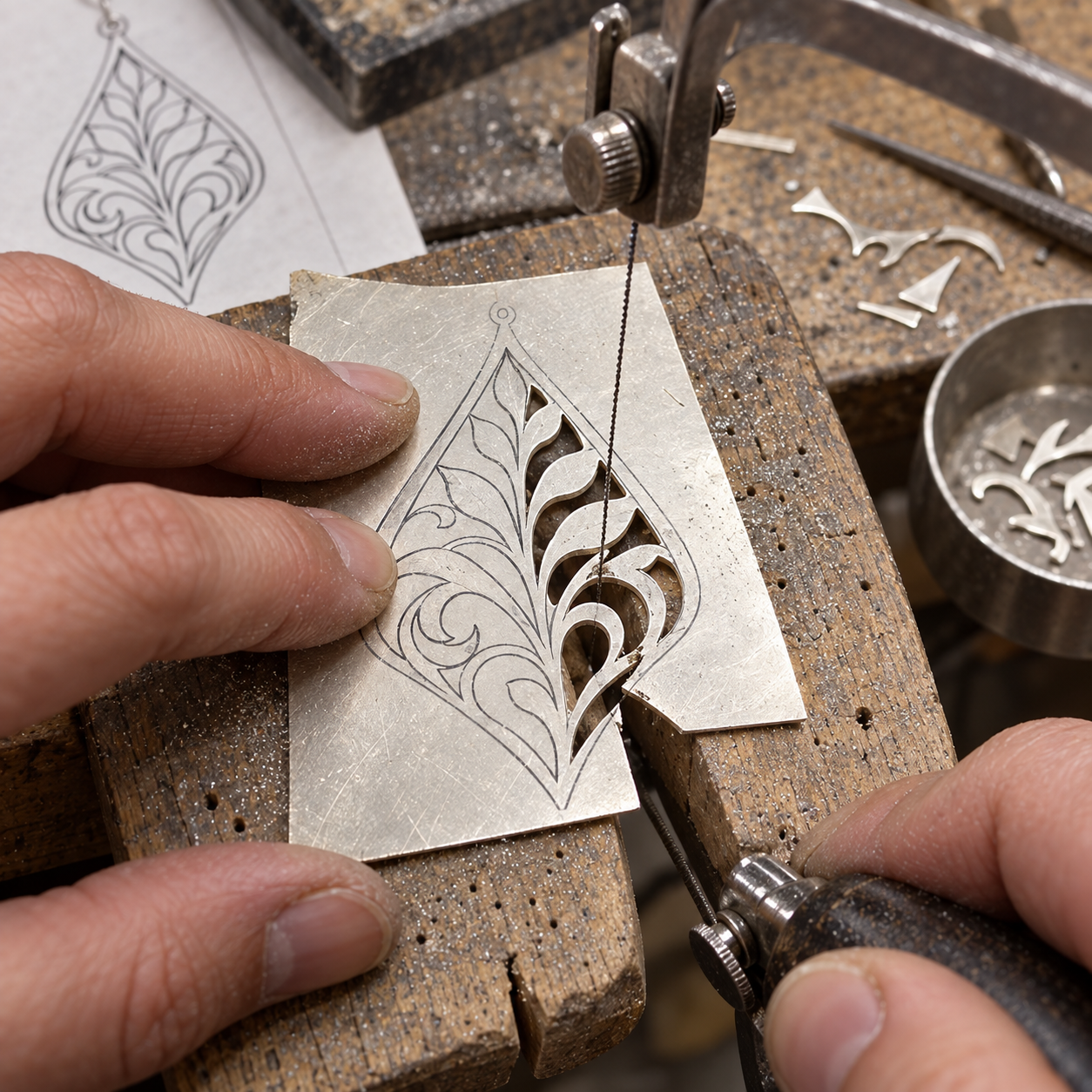
Saw Piercing Accuracy: The Three Things That Matter More Than Speed
A faster jeweler’s saw does not automatically make a cleaner cut. Before you chase speed, get these three fundamentals under control: blade tension, a vertical frame, and how you move the metal.
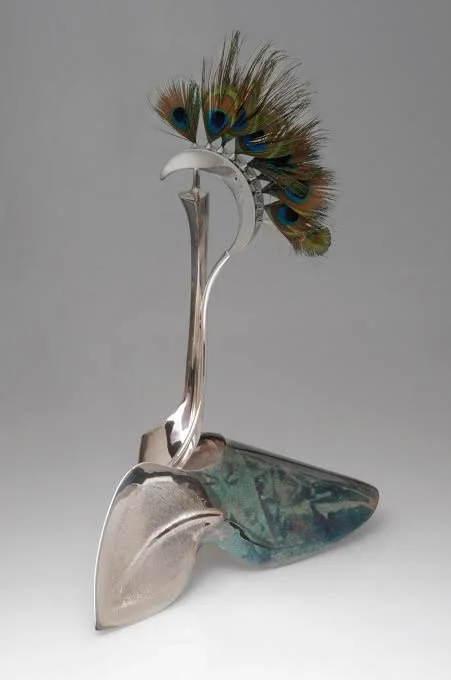
Makers Who Shaped Me: Heikki Seppä: Learning to Think in Form, Not Flat Sheet
Heikki Seppä did more than develop new ways to form metal. He gave metalsmiths a language for imagining volume before the first hammer blow—a lesson that still changes how we design at the bench.
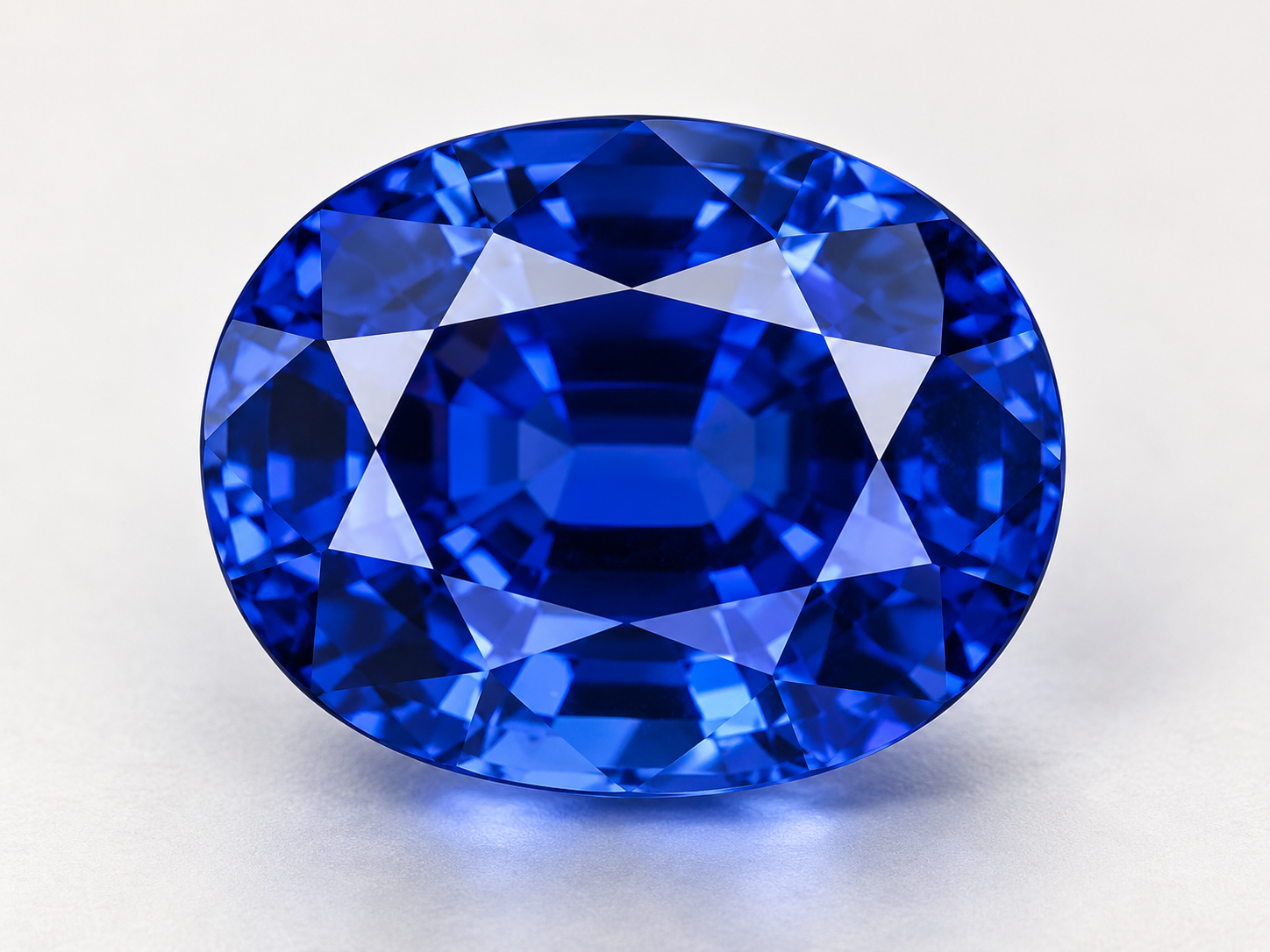
Sapphire: Designing and Setting Beyond “It’s a 9 on the Mohs Scale”
Sapphire may be a 9 on the Mohs scale, but safe jewelry design requires much more information. Learn how composition, cut, color zoning, treatment, girdle condition, pavilion depth, and setting style affect the jeweler’s decisions.
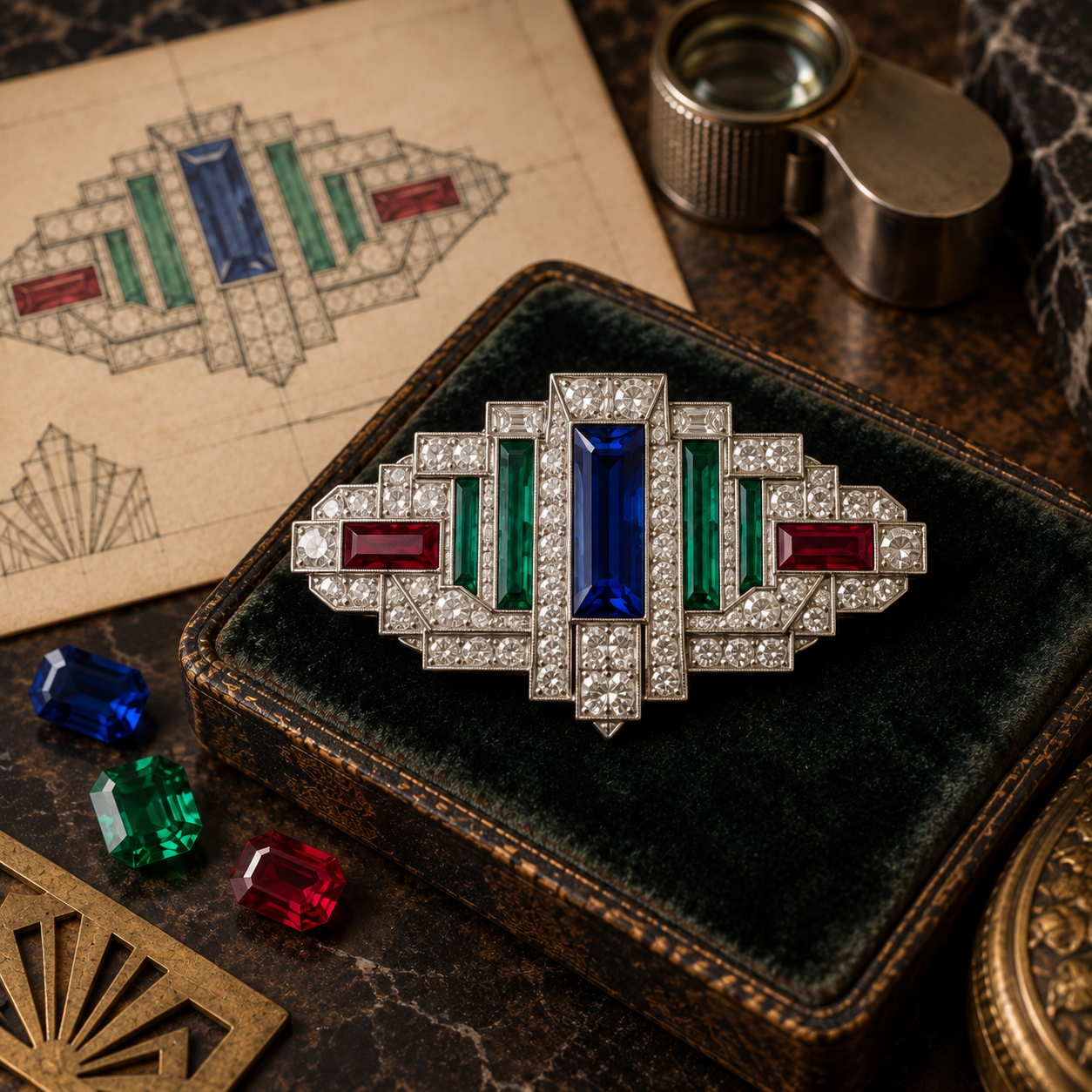
Why Art Deco Jewelry Used Colored Gemstones So Differently
Art Deco jewelers used sapphires, emeralds, rubies, and other colored stones as more than centerpieces. Color became geometry, contrast, rhythm, and structure.
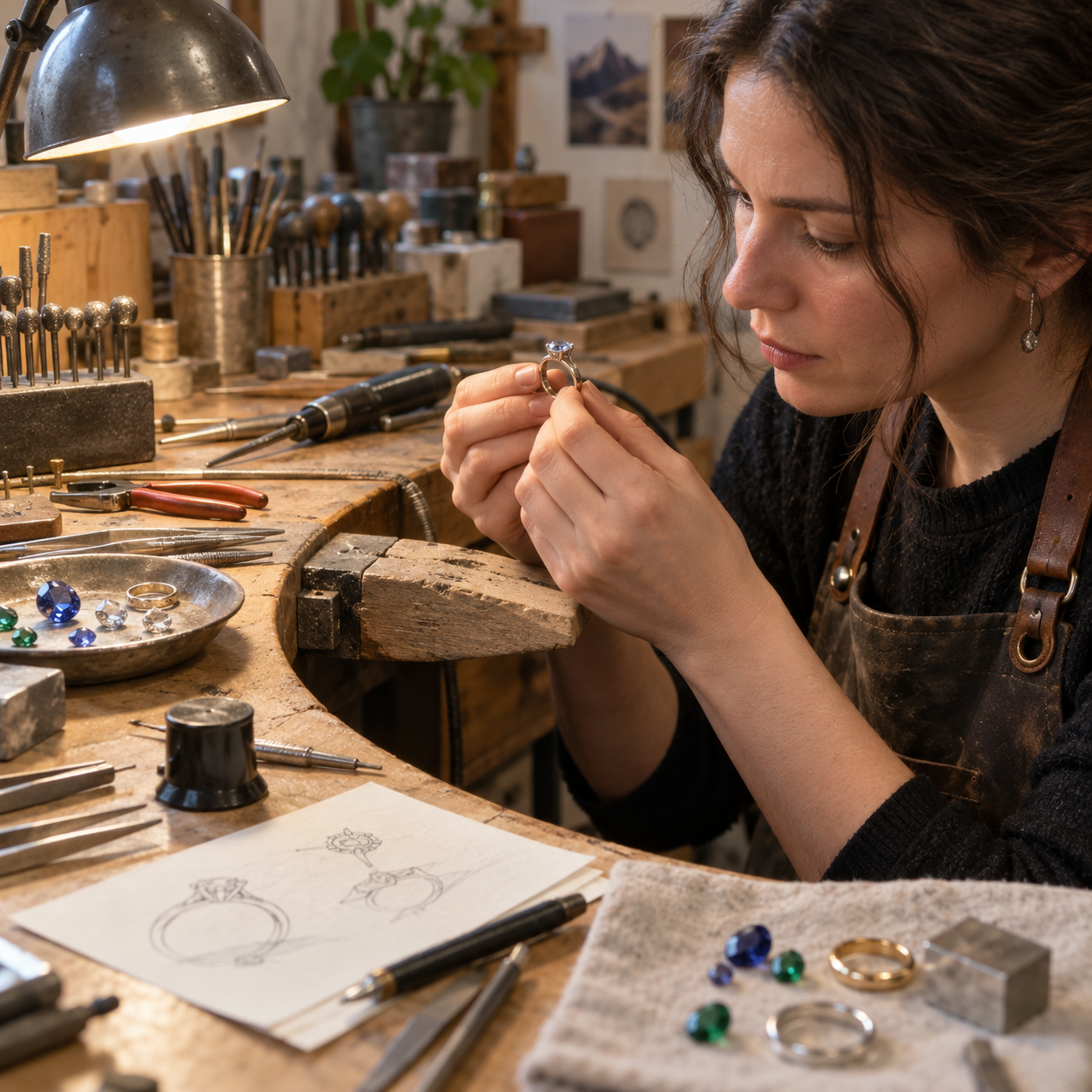
The Skill Between Technique and Mastery Is Control
Technique tells you how to perform a process. Control lets you adjust heat, pressure, angle, depth, sequence, and material deliberately—and repeat the result when it matters.
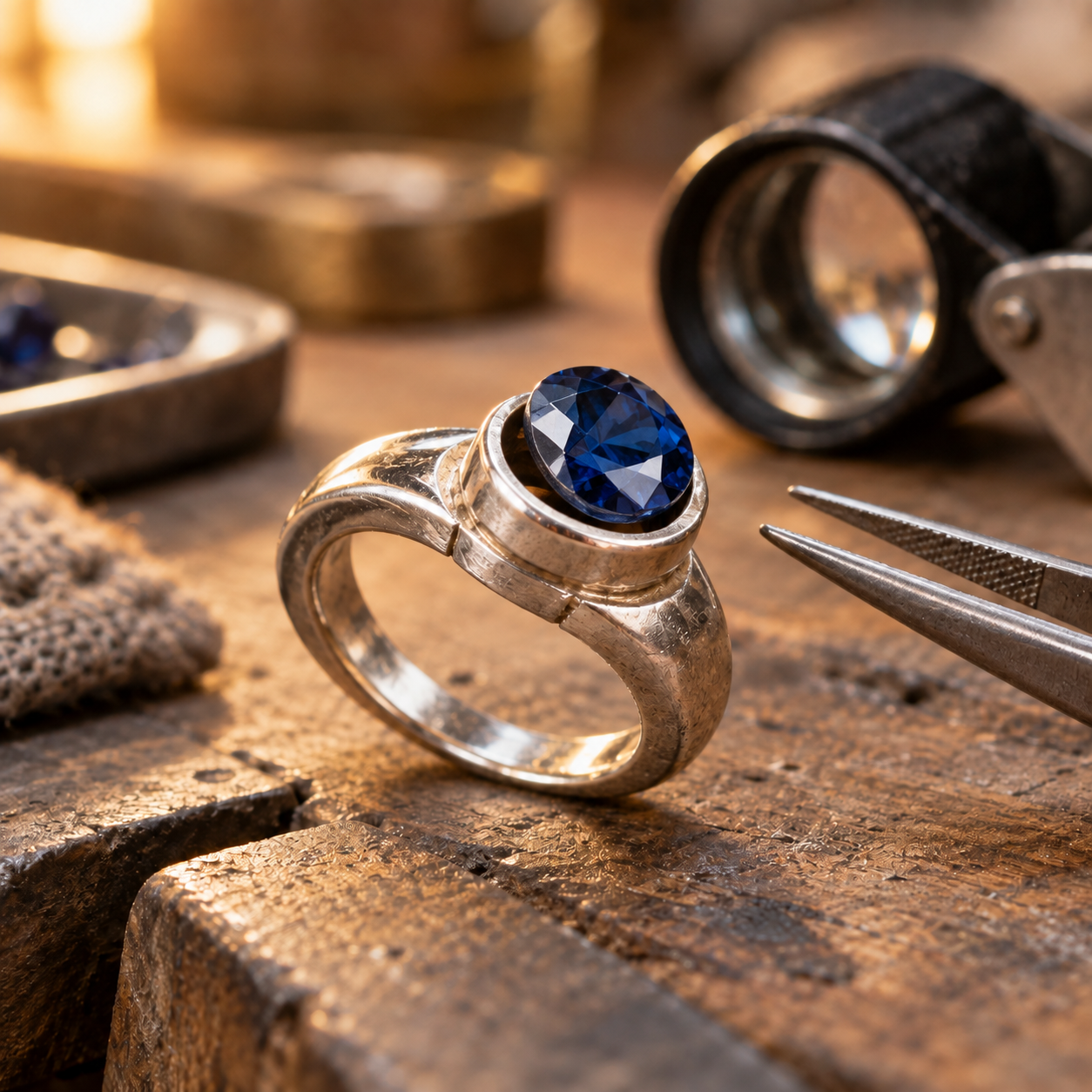
The Stone Fits—but It Still Rocks. What Should You Check?
A gemstone can fit the opening and still be unstable. Learn how to diagnose seat depth, girdle irregularity, pavilion clearance, and setting distortion before tightening more metal.
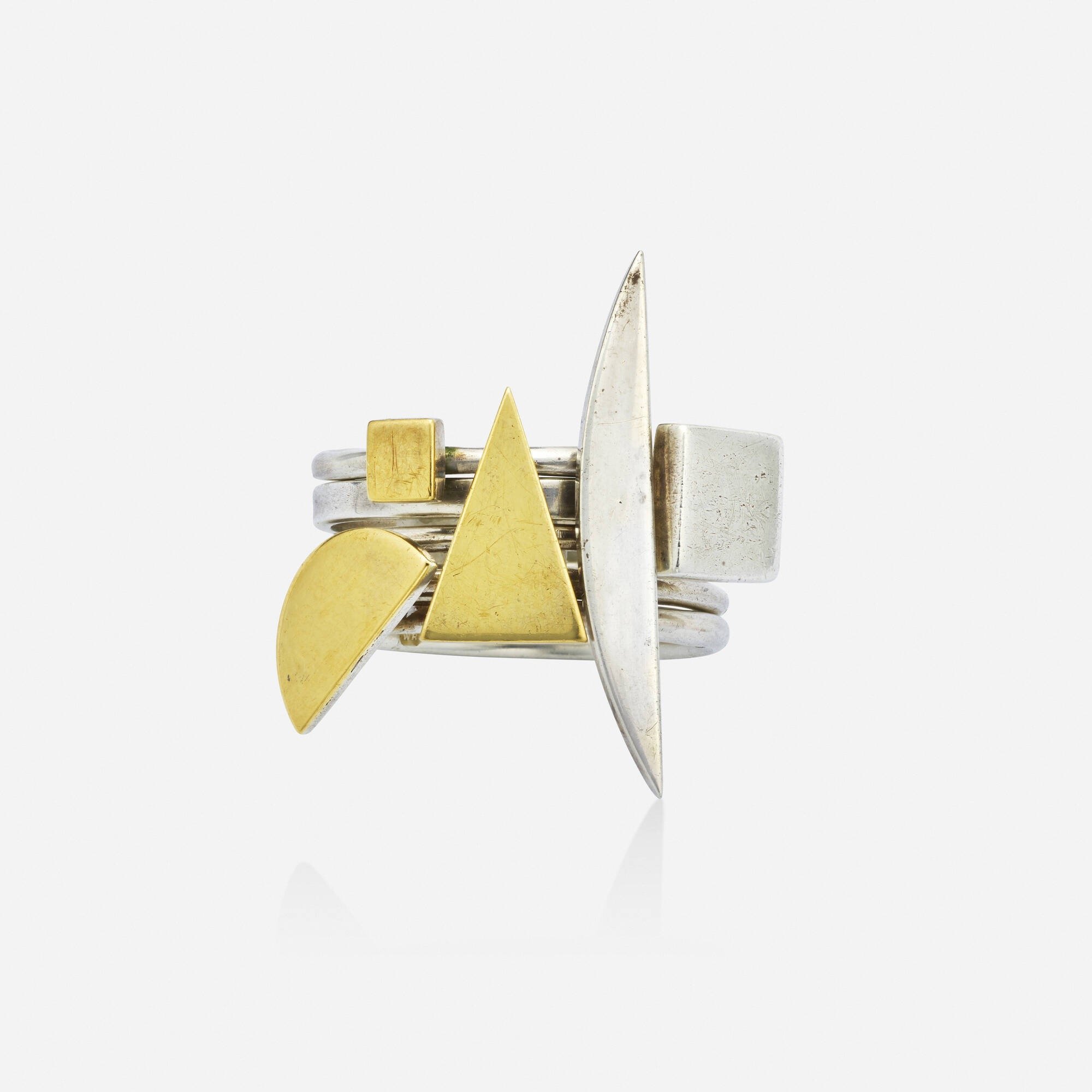
Makers Who Shaped Me: Wendy Ramshaw and the Idea That Jewelry Can Be a System
Wendy Ramshaw’s iconic ring sets demonstrate how repetition, gemstones, modularity, and wearer participation can turn jewelry from a single object into an entire design system.
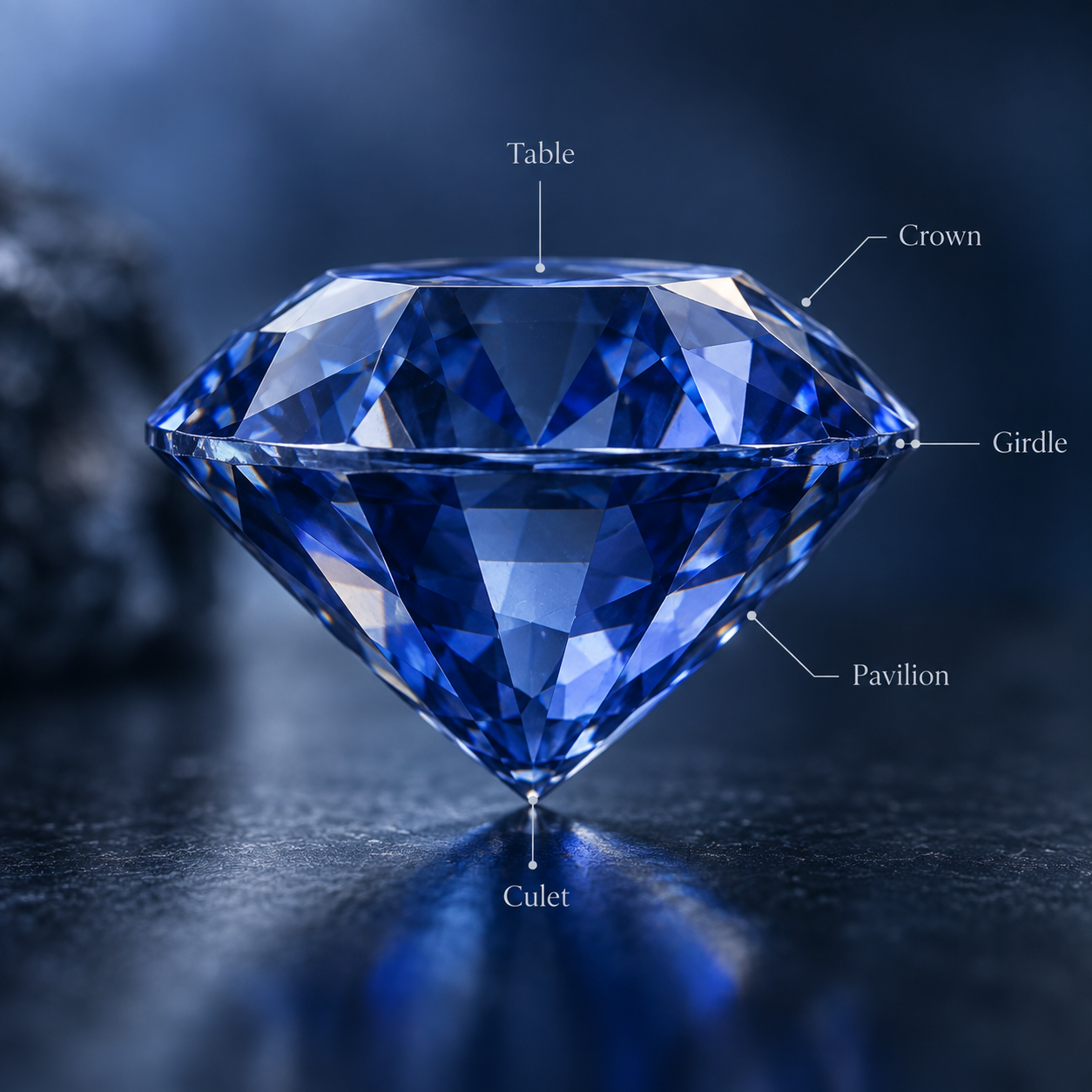
The Anatomy of a Faceted Gemstone: What Metalsmiths Need to Know Before Setting a Stone
gemstone is more than the shape you see from the top. Its crown, girdle, pavilion, culet, depth, and proportions all affect how a setting must be designed and cut. Understanding that anatomy helps you stop treating stone setting as a formula and start responding to the actual stone in your hand.
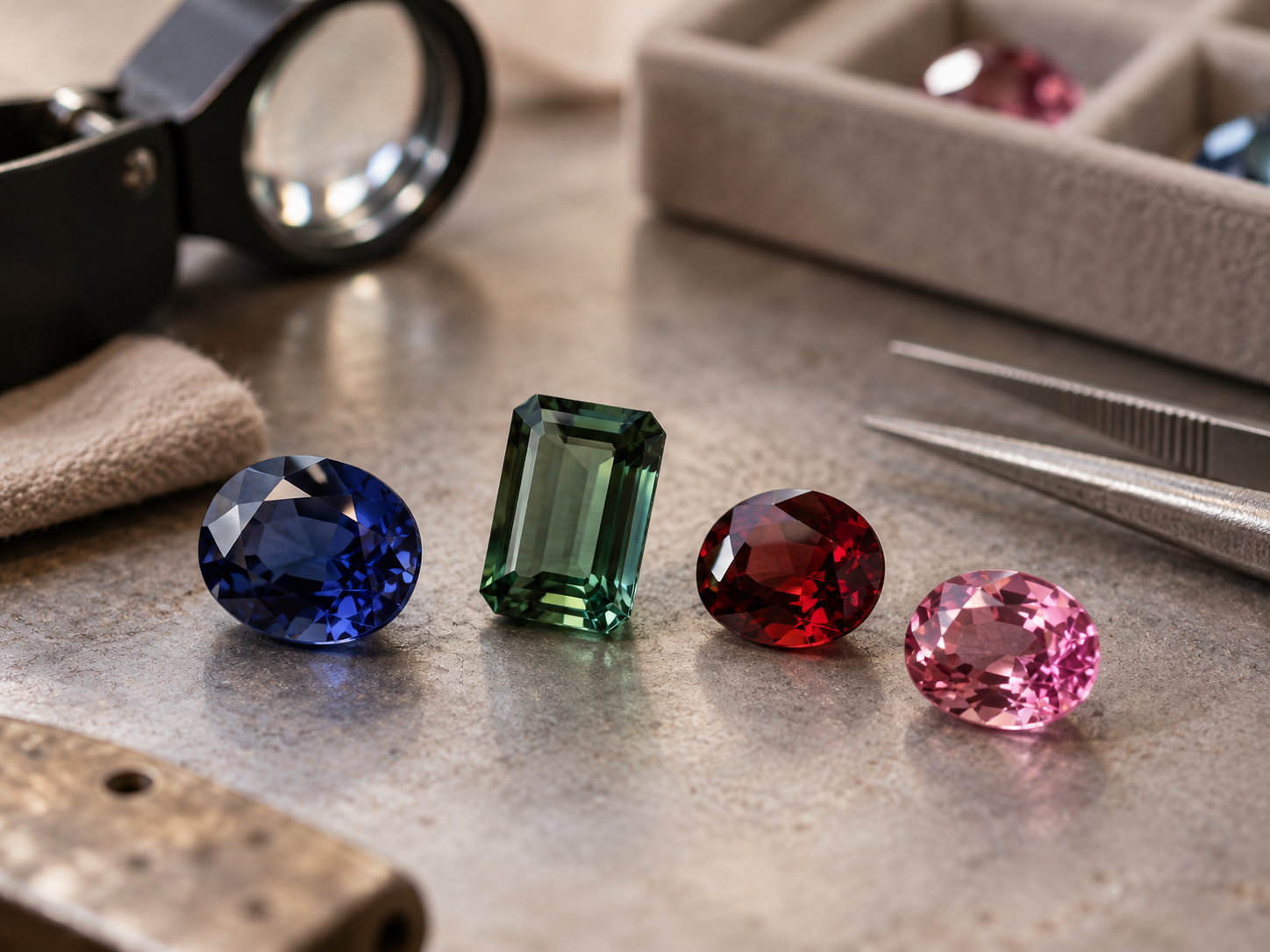
More Than Color: Learning to Read a Gemstone Before You Design Around It
Colored gemstones are more than beautiful materials. Their hardness, toughness, structure, color, and cut all influence how a jeweler should design around them. This new series explores the science behind the stones and the bench decisions that help turn them into successful jewelry.
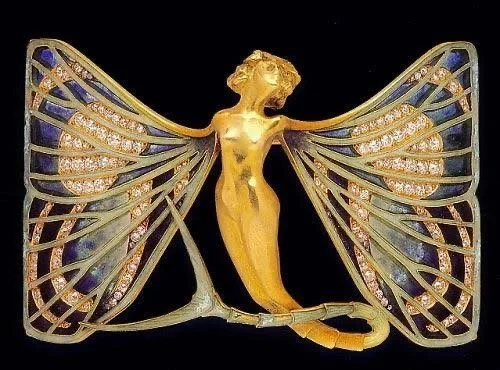
Art Nouveau Jewelry and the Moment Precious Materials Stopped Being the Point
Art Nouveau jewelers challenged the idea that jewelry's value had to come primarily from gold and gemstones. Their work shows how design, enamel, unusual materials, and craftsmanship can redefine preciousness.
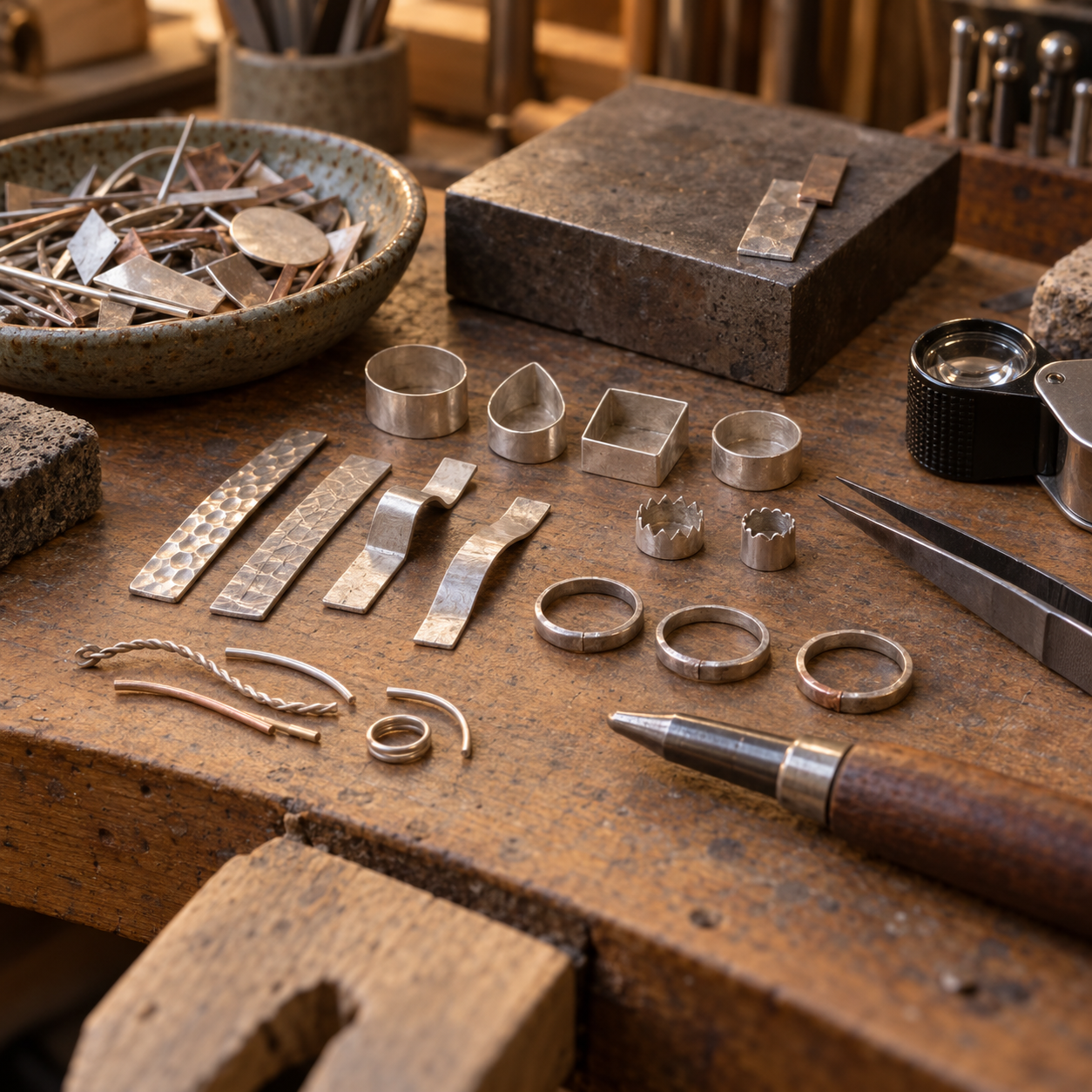
Practice Samples Are Not Wasted Metal
A practice sample is not wasted metal when it answers a real question. Learn how intentional test pieces reduce risk, build troubleshooting skill, and become a reference library for future work.
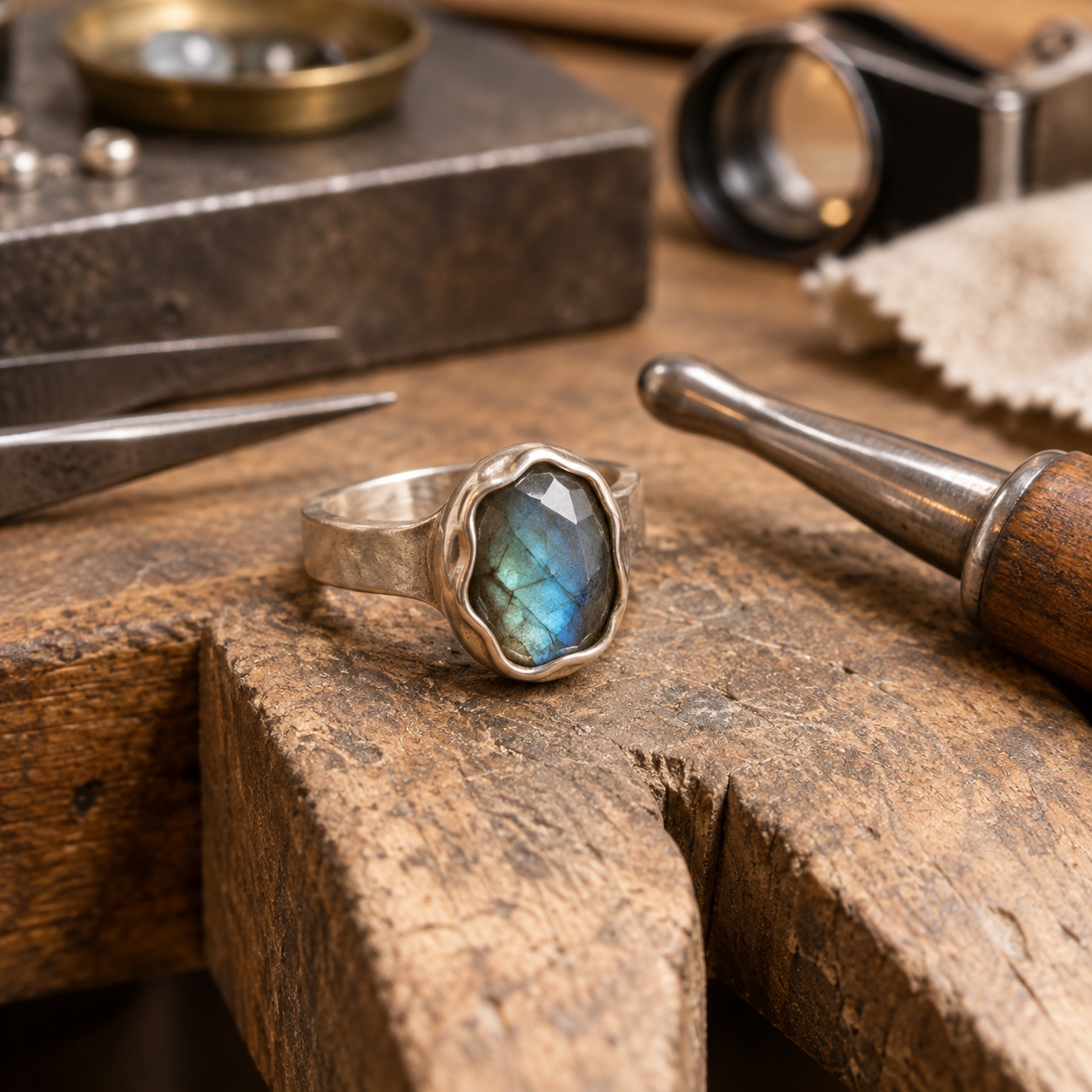
Why Does My Bezel Get Wavy? Diagnose the Distortion Before You Keep Pushing
A wavy bezel is usually a symptom, not the real problem. Learn how fit, seat depth, bezel height, tool position, and uneven pressure can distort a setting.
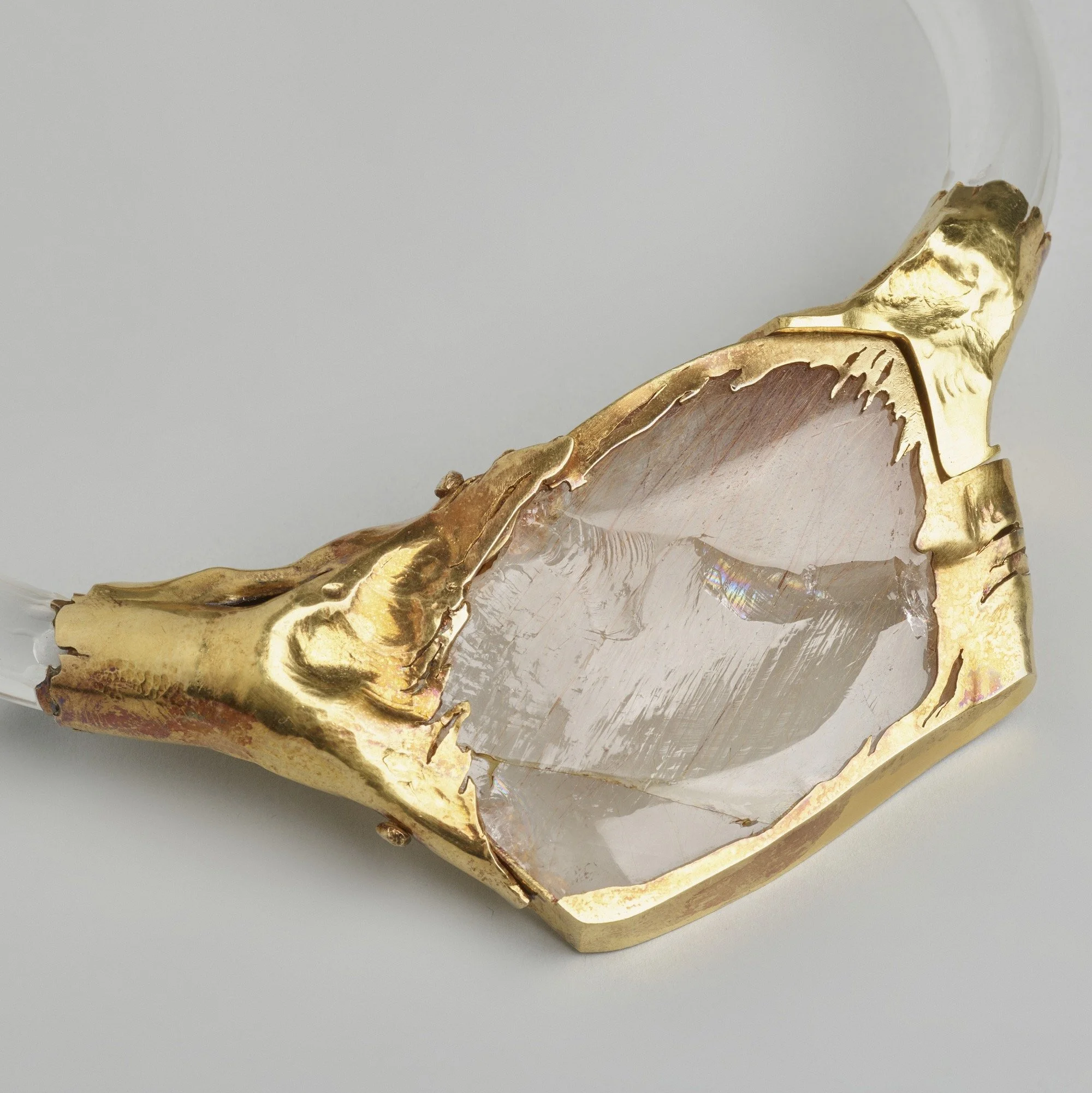
Makers Who Shaped Me: Eleanor Moty and Letting the Stone Lead
Eleanor Moty's jewelry offers an important design lesson: sometimes the strongest piece begins when we stop forcing a stone into a preconceived idea and let the material lead.

Troubleshooting Is a Skill—and You Can Practice It
Troubleshooting isn't something metalsmiths magically acquire with experience. It is a skill built through observation, experimentation, bench notes, and learning to recognize cause and effect.

Why Georgian Jewelers Put Foil Behind Their Gemstones
Why did Georgian jewelers place foil behind gemstones and seal them inside closed-back settings? The answer reveals how light, material, construction, and historical context shaped jewelry design.

Solder Won't Flow: What Should You Check First?
When solder refuses to flow, adding more heat isn't always the answer. Learn how to troubleshoot joint fit, cleanliness, flux, heat distribution, and solder placement before reaching for the torch again.

Makers Who Shaped Me: Mary Lee Hu and the Discipline of a Single Line
Mary Lee Hu transformed woven metal wire into a distinctive jewelry language. Her work offers an important lesson for metalsmiths: sometimes growth comes not from learning another technique, but from exploring how much possibility exists inside one you already know.