

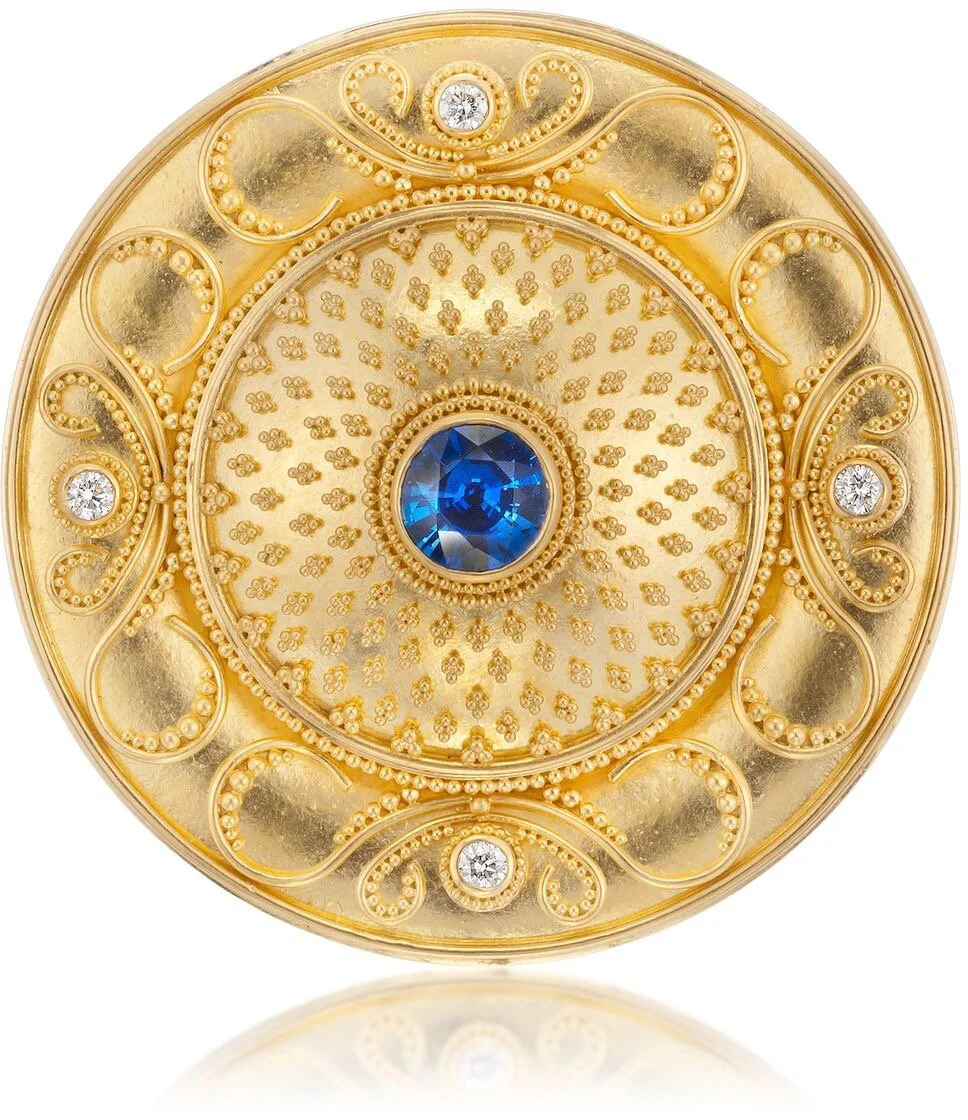
Granulation: Ancient Precision and the Design Power of Repetition
Granulation is easy to admire for its technical difficulty: hundreds of tiny metal grains arranged and joined with astonishing precision. But the deeper lesson may be a design lesson. Ancient jewelers understood exactly how powerful one small element could become when repeated.
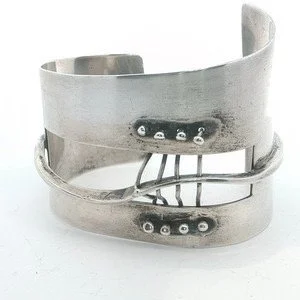
The Studio Jewelry Movement and the Jeweler as Author
Studio jewelry brought the maker’s artistic questions into the object itself. Its history offers a way to think about authorship through material, construction, and the relationship to the wearer.
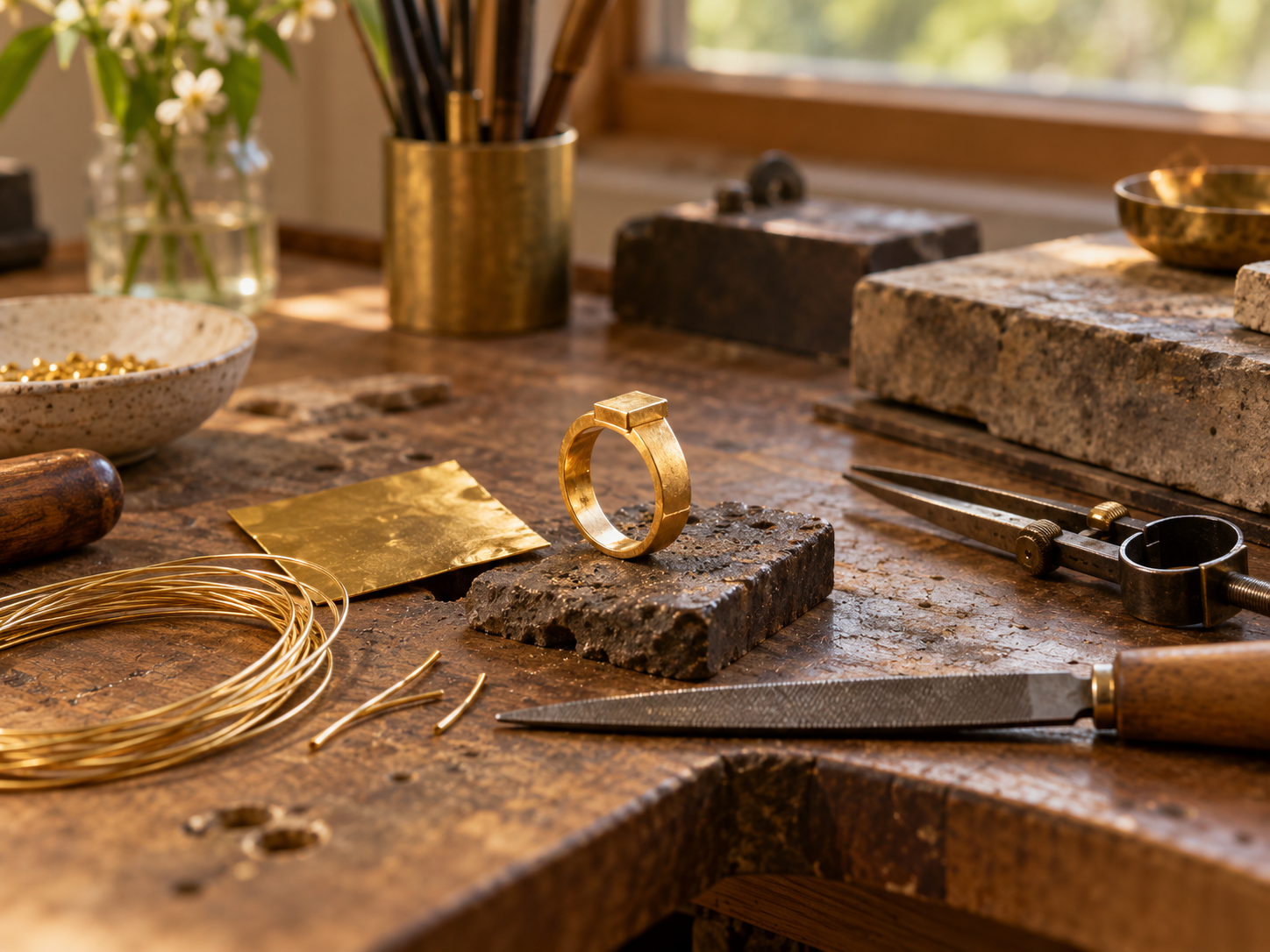
Gold Before It Was Luxury: How a Metal Became Sacred, Royal, and Enduring
Long before gold became a luxury metal, it carried ideas of sunlight, divinity, power, royalty, permanence, and memory. Explore how cultures across history used gold—and what that history can teach us at the bench today.
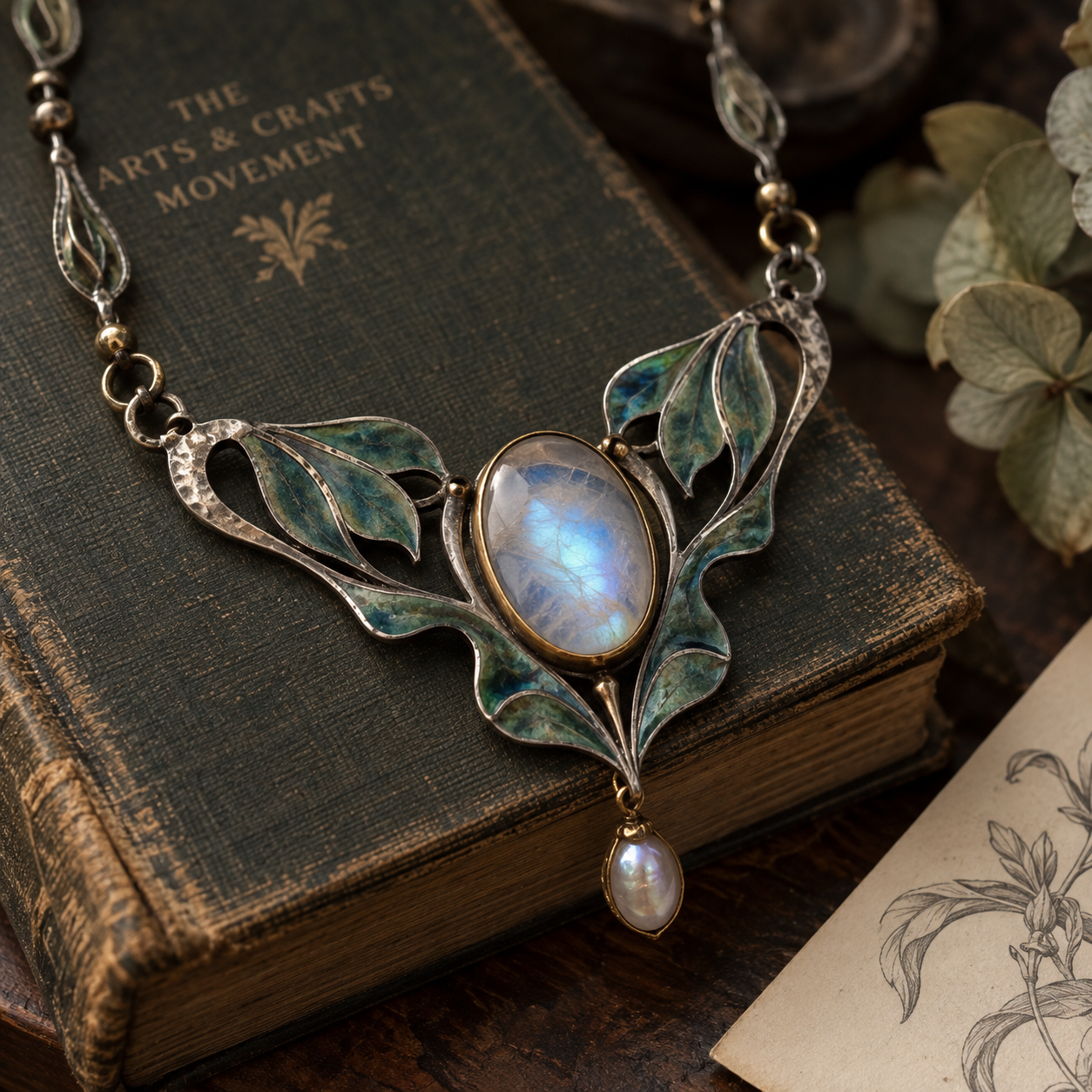
Arts & Crafts Jewelry: When the Hand of the Maker Became the Point
Arts and Crafts jewelry did more than revive handwork. It challenged the idea that value came only from precious materials or flawless repetition—and made the hand of the maker part of the meaning of the object.
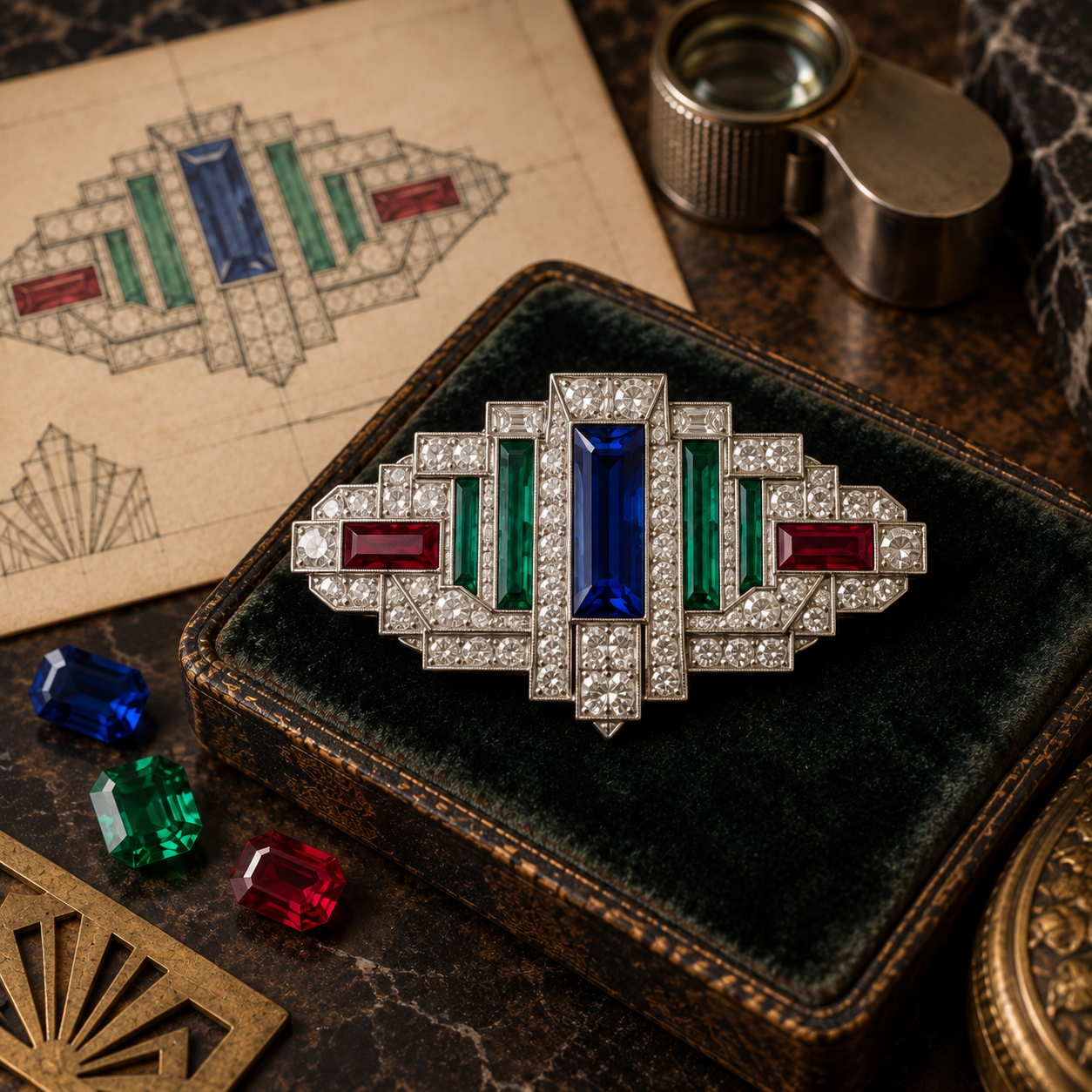
Why Art Deco Jewelry Used Colored Gemstones So Differently
Art Deco jewelers used sapphires, emeralds, rubies, and other colored stones as more than centerpieces. Color became geometry, contrast, rhythm, and structure.
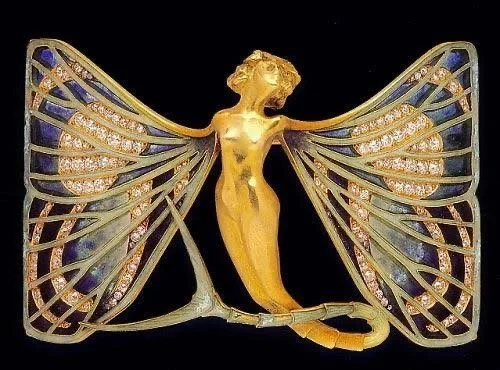
Art Nouveau Jewelry and the Moment Precious Materials Stopped Being the Point
Art Nouveau jewelers challenged the idea that jewelry's value had to come primarily from gold and gemstones. Their work shows how design, enamel, unusual materials, and craftsmanship can redefine preciousness.

Why Georgian Jewelers Put Foil Behind Their Gemstones
Why did Georgian jewelers place foil behind gemstones and seal them inside closed-back settings? The answer reveals how light, material, construction, and historical context shaped jewelry design.

Victorian Mourning Jewelry: When Jewelry Became a Place to Remember
Victorian mourning jewelry reveals how deeply jewelry can hold memory, grief, and connection. In this Jewelry History & Design article, I explore how materials, symbolism, and intimate scale turned wearable objects into powerful reminders of the people and stories we carry with us.

Why Ancient Jewelry Still Feels Modern
Ancient jewelry can feel surprisingly modern when you look past the museum label and study the design itself. From repetition and proportion to material, movement, and craftsmanship, historical jewelry offers timeless lessons that can still shape the way we design and make today.

Why Jewelry History Can Make You a Better Metalsmith
Jewelry history is more than dates, styles, and old objects—it is a record of how generations of makers solved the same design and fabrication problems we still face today. Studying the past can sharpen your eye, deepen your understanding of technique, and inspire better decisions at your own bench.