

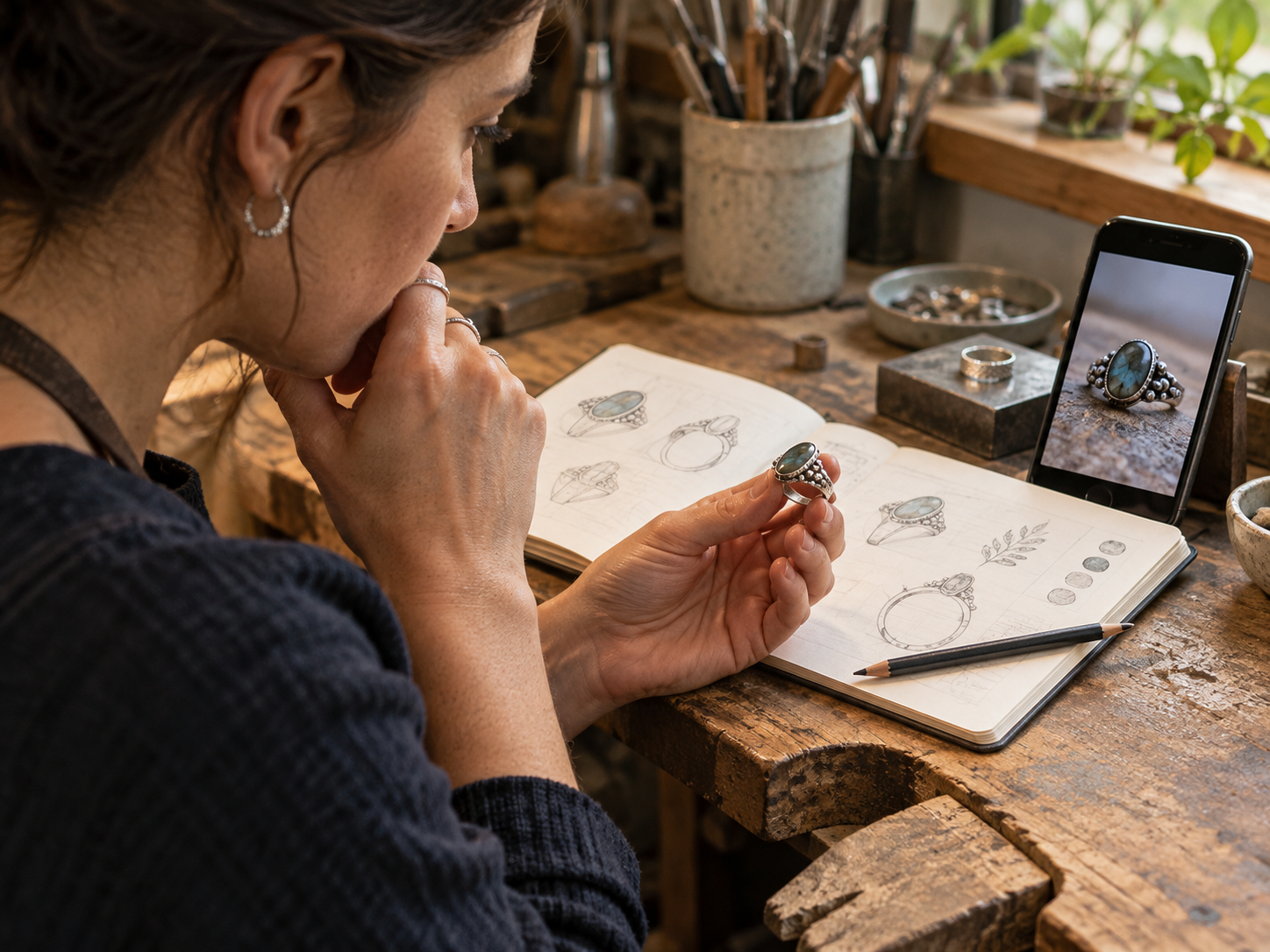
How to Critique Your Own Work Without Just Calling It “Good” or “Bad”
“I like it” and “I don’t like it” may describe your reaction to a piece, but neither tells you what to do next. Learning to critique your own work means replacing judgment with observation—and turning what you see into a specific decision.
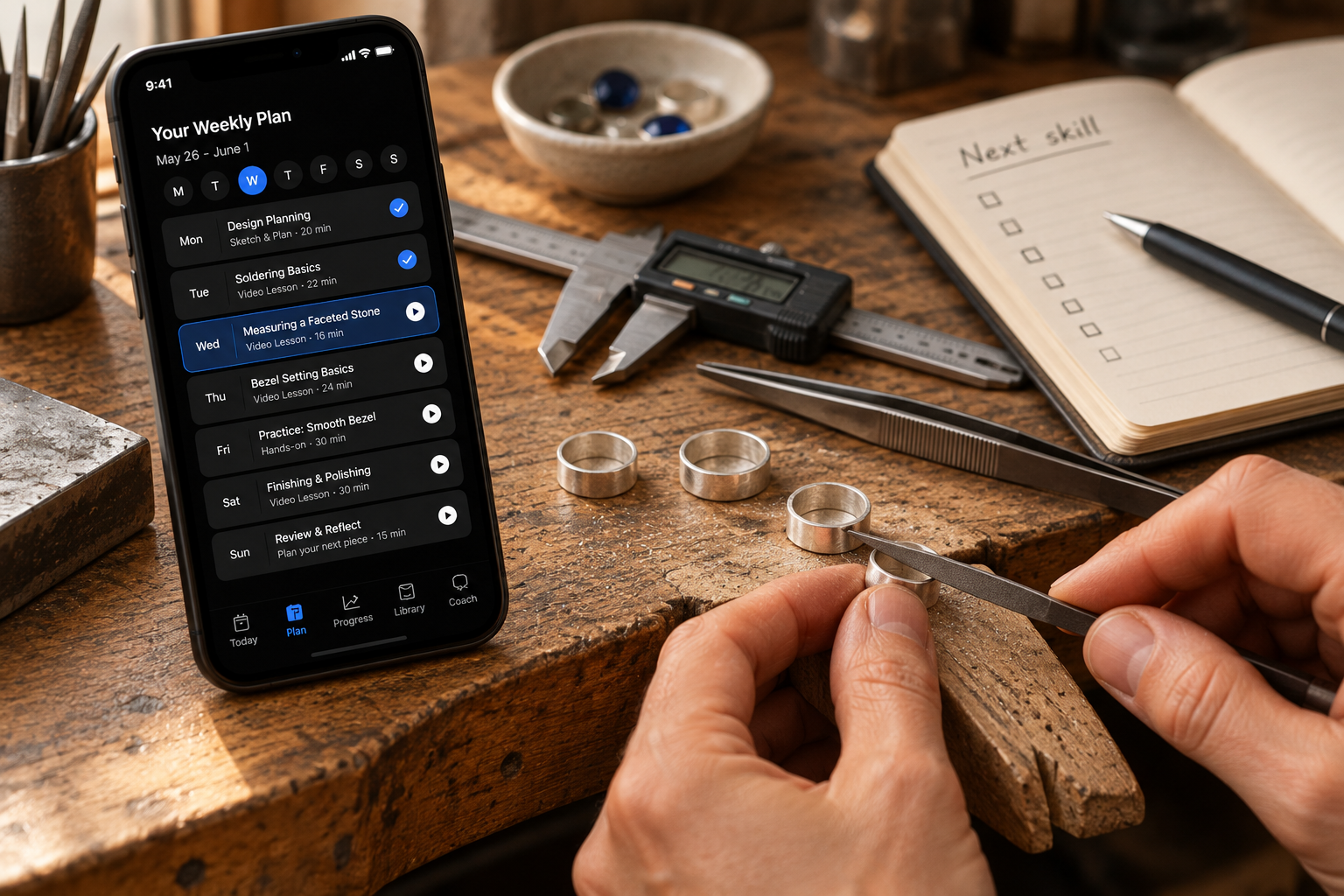
A Skill Map for the Intermediate Metalsmith
You can be confident in one part of metalsmithing and uncertain in another. A useful skill map shows where your work is dependable, where it becomes fragile, and what to practice next
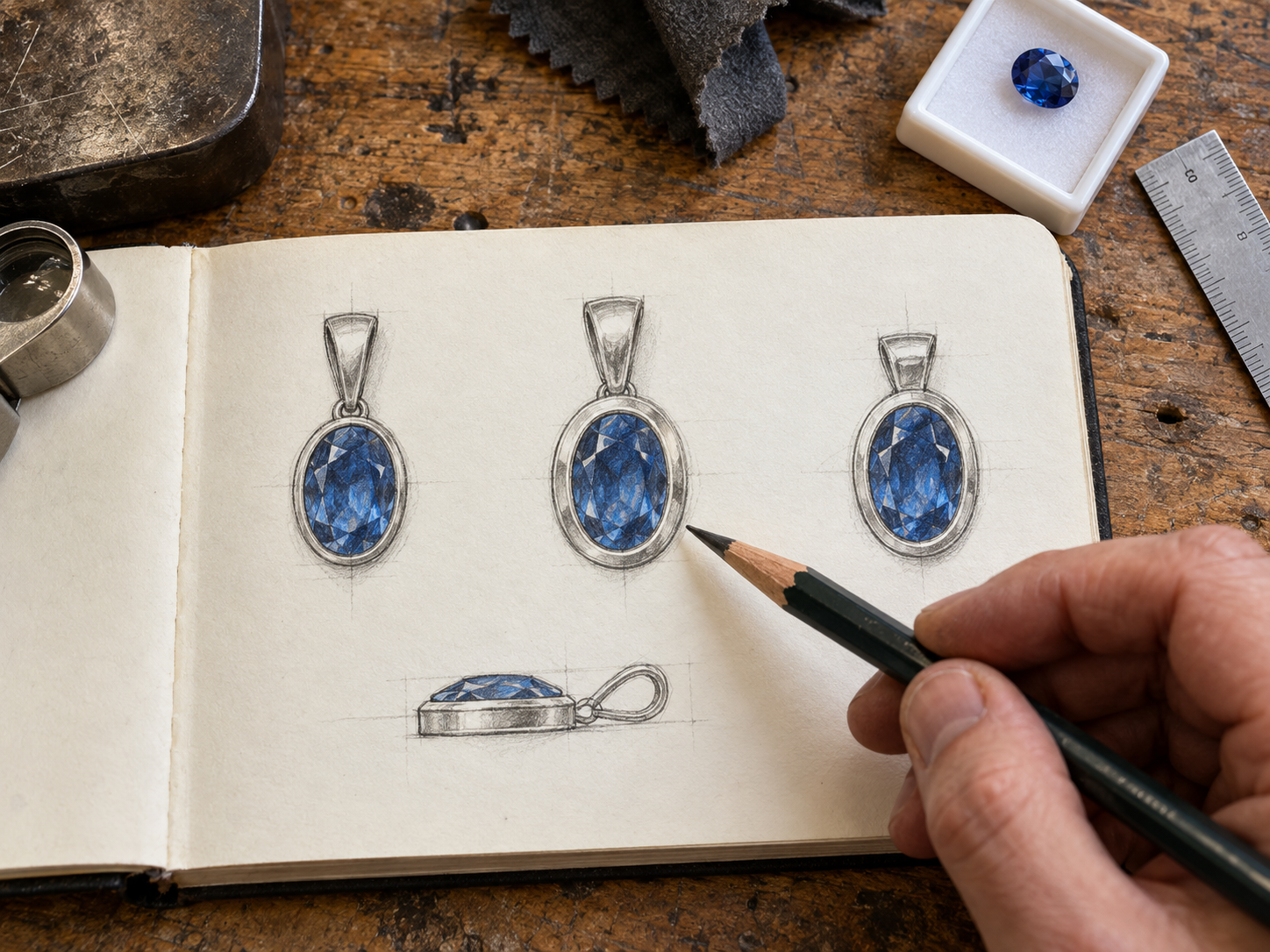
From Following Projects to Making Design Decisions
Knowing the steps of a project does not always tell you why a design works. Start building independent judgment by naming the purpose of a piece and testing one choice at a time.
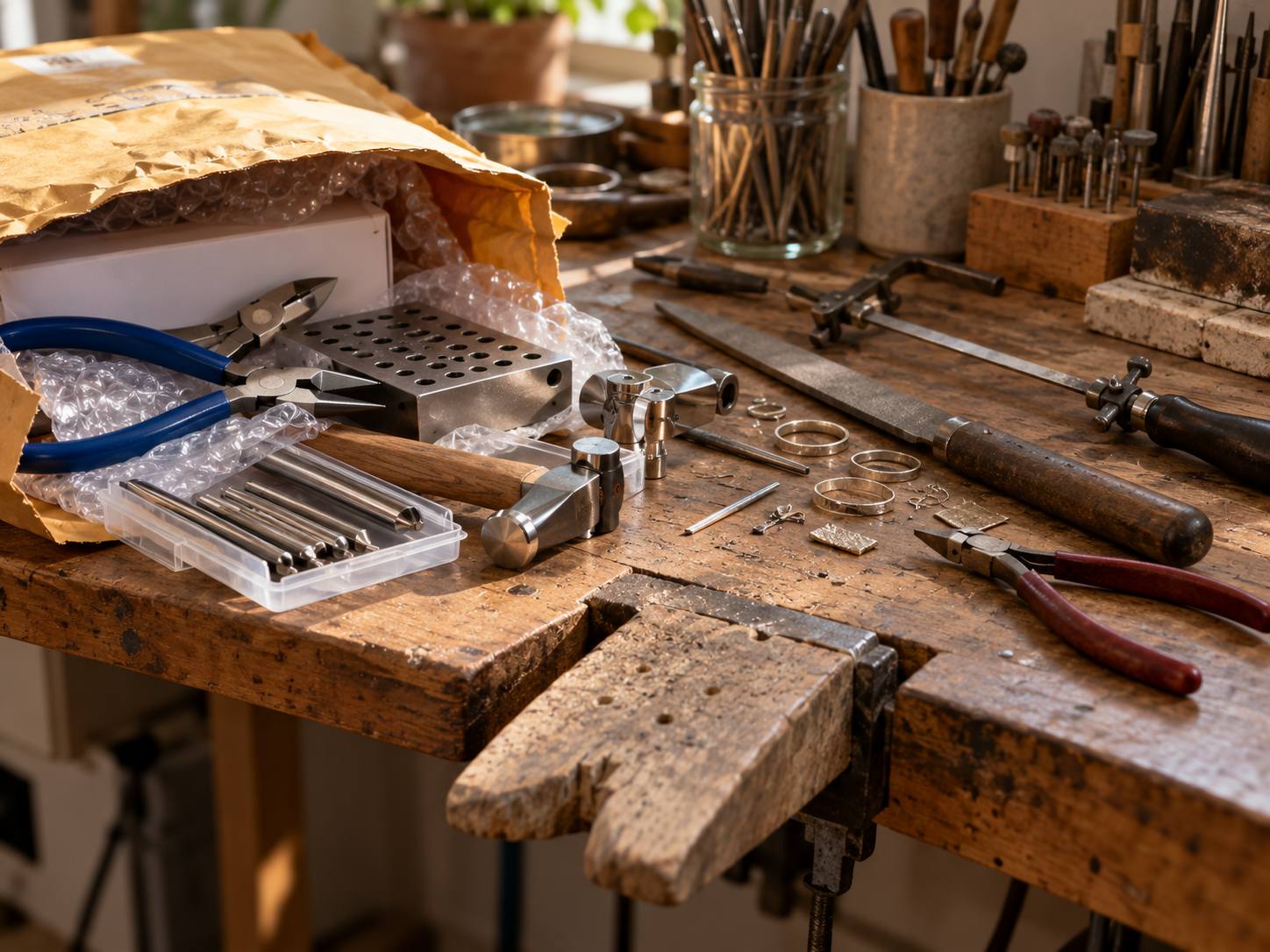
Stop Buying Tools to Solve Skill Problems
A new tool can expand what you can do, but it cannot replace control, diagnosis, or repetition. Before you buy, make sure the tool is really the problem.
Build a Troubleshooting Notebook, Not Just a Project Notebook
A project notebook records what you made. A troubleshooting notebook records what you learned when something went wrong. That second record may become one of the most useful tools on your bench.
The Skill Between Technique and Mastery Is Control
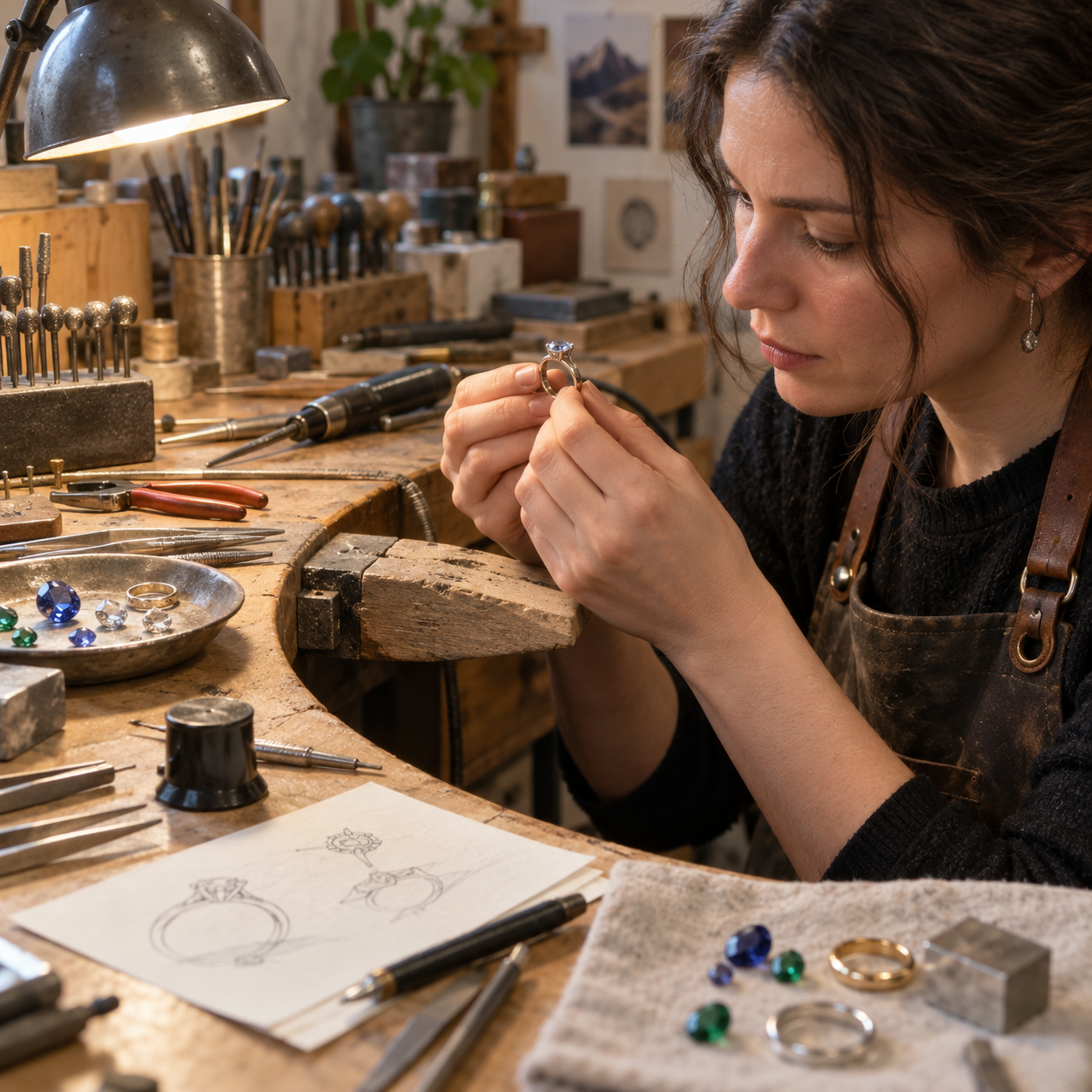
Technique tells you how to perform a process. Control lets you adjust heat, pressure, angle, depth, sequence, and material deliberately—and repeat the result when it matters.
Practice Samples Are Not Wasted Metal
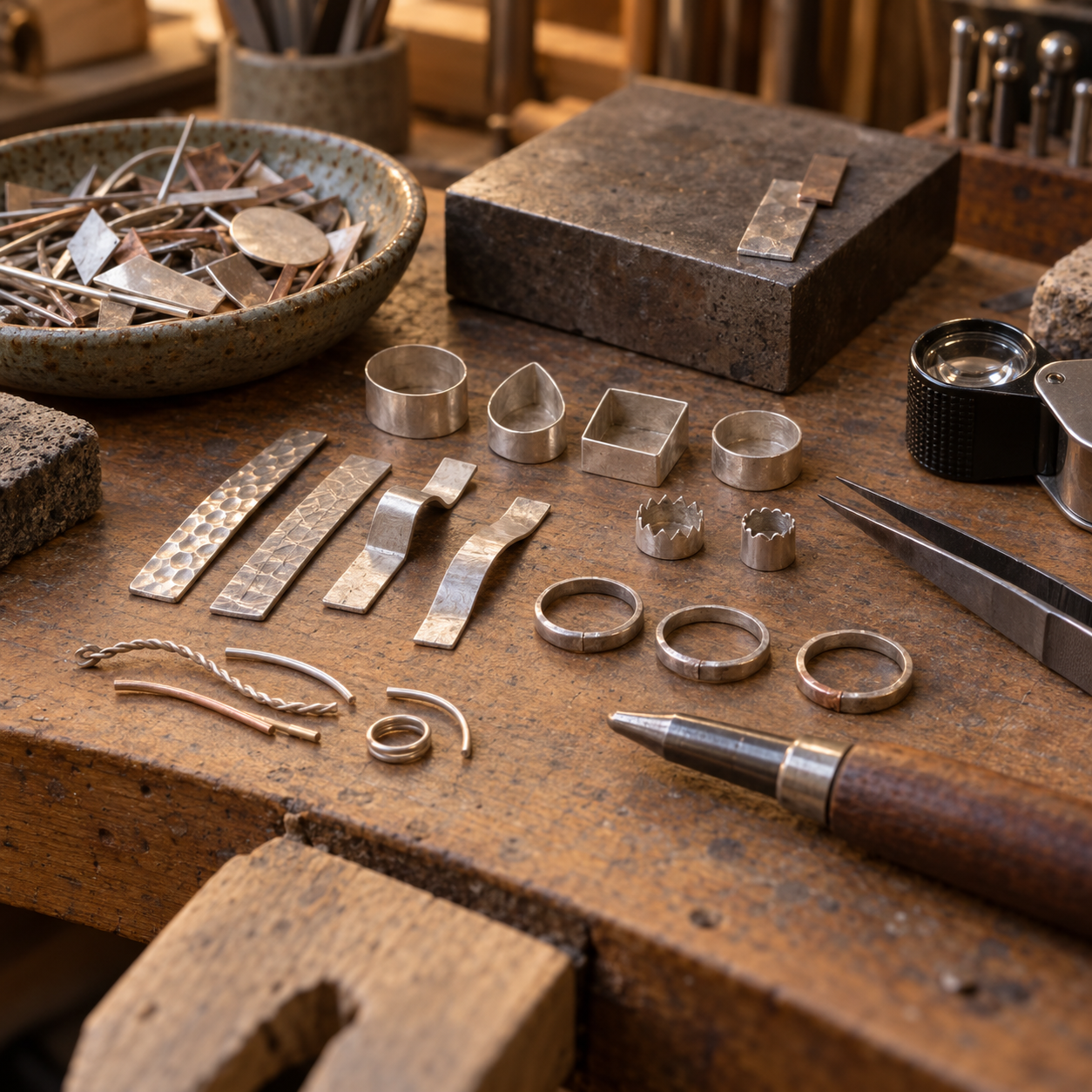
A practice sample is not wasted metal when it answers a real question. Learn how intentional test pieces reduce risk, build troubleshooting skill, and become a reference library for future work.

Troubleshooting Is a Skill—and You Can Practice It
Troubleshooting isn't something metalsmiths magically acquire with experience. It is a skill built through observation, experimentation, bench notes, and learning to recognize cause and effect.

Stop Practicing Techniques. Start Making Things
Practice builds skills, but projects teach you how those skills work together. In this Metalsmith’s Learning Path article, I explore why making complete pieces—even before you feel completely ready—can reveal skill gaps, build confidence, and show you exactly what you need to learn next.

Why Your Metalsmithing Skills Sometimes Feel Stuck
Feeling stuck at the bench doesn’t always mean you need to learn a new technique. Sometimes the next step is going deeper into the skills you already have. Discover how deliberate practice, better observation, and learning to recognize patterns in your mistakes can turn frustration into real craftsmanship.

What Should You Learn Next as a Metalsmith?
Not sure what skill to tackle next at the bench? The answer may be hiding in what you already know, what keeps frustrating you, and the kind of work you want to make. This article explores how to build your metalsmithing skills intentionally—one strong layer at a time.