

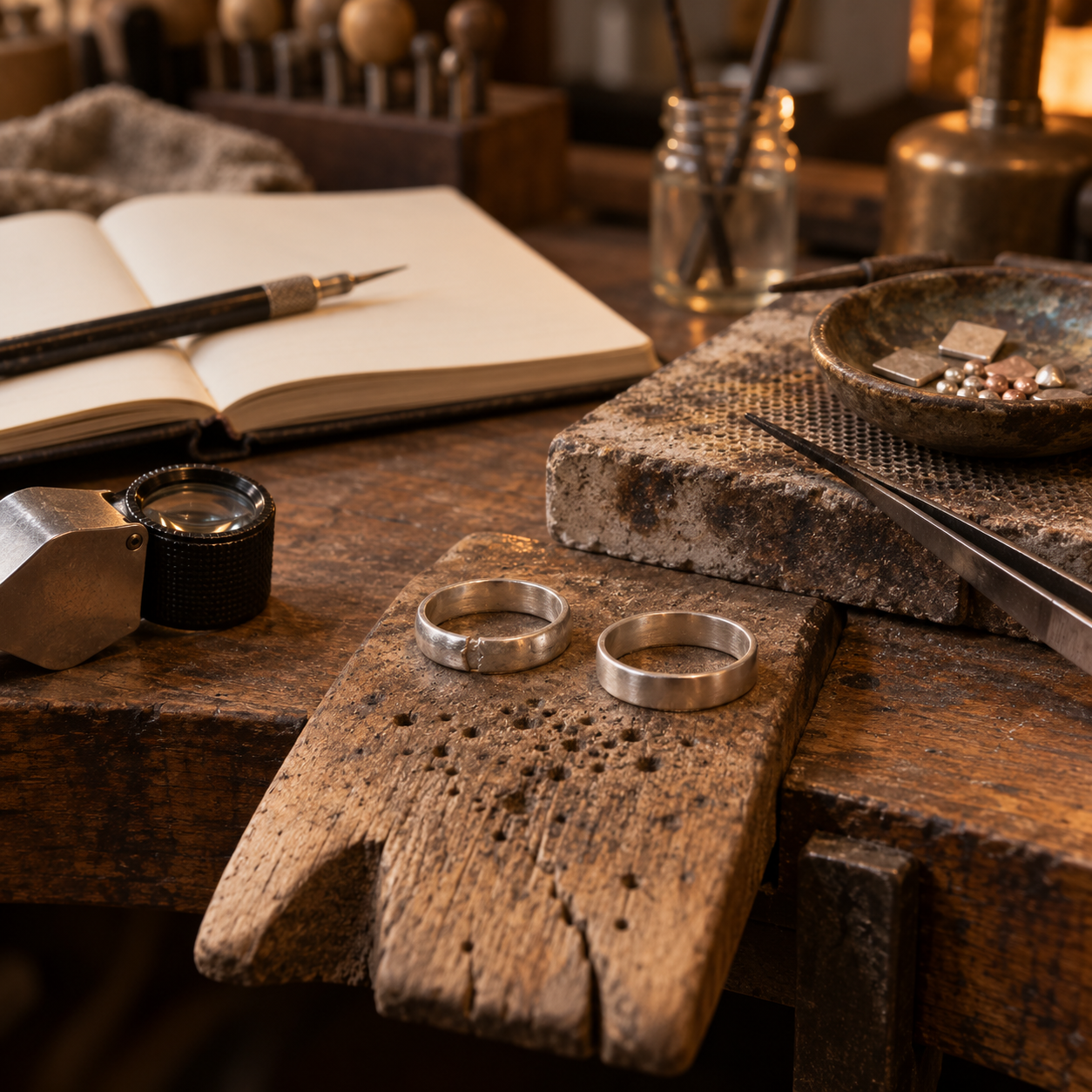
Troubleshooting Is a Skill—and You Can Practice It
Troubleshooting isn't something metalsmiths magically acquire with experience. It is a skill built through observation, experimentation, bench notes, and learning to recognize cause and effect.
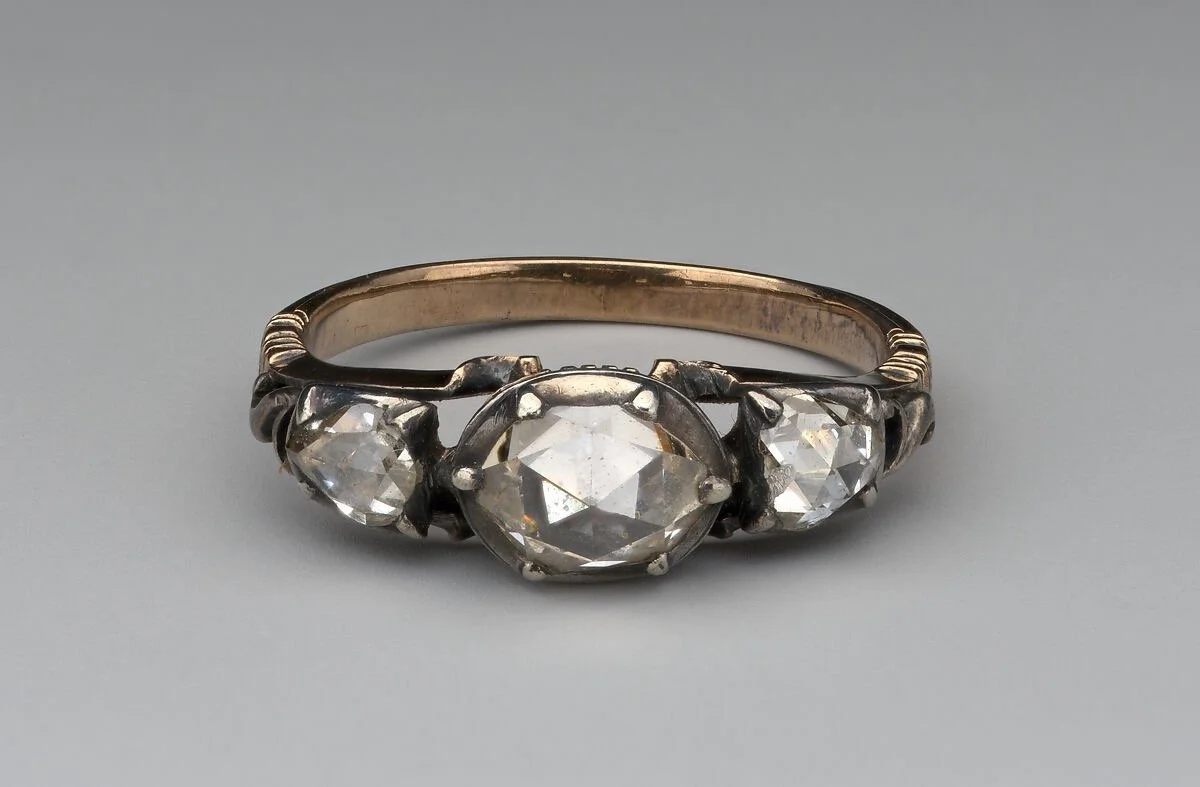
Why Georgian Jewelers Put Foil Behind Their Gemstones
Why did Georgian jewelers place foil behind gemstones and seal them inside closed-back settings? The answer reveals how light, material, construction, and historical context shaped jewelry design.
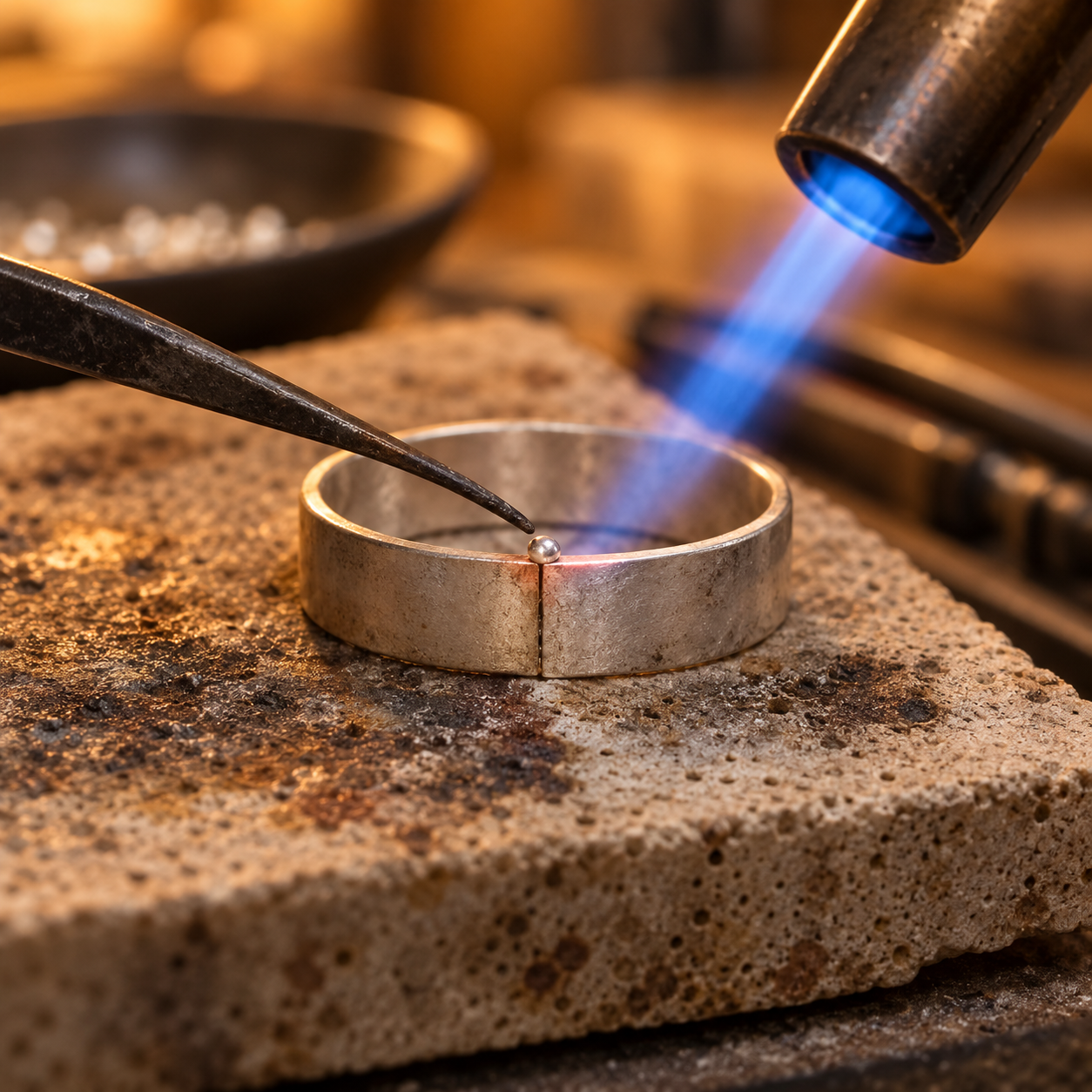
Solder Won't Flow: What Should You Check First?
When solder refuses to flow, adding more heat isn't always the answer. Learn how to troubleshoot joint fit, cleanliness, flux, heat distribution, and solder placement before reaching for the torch again.
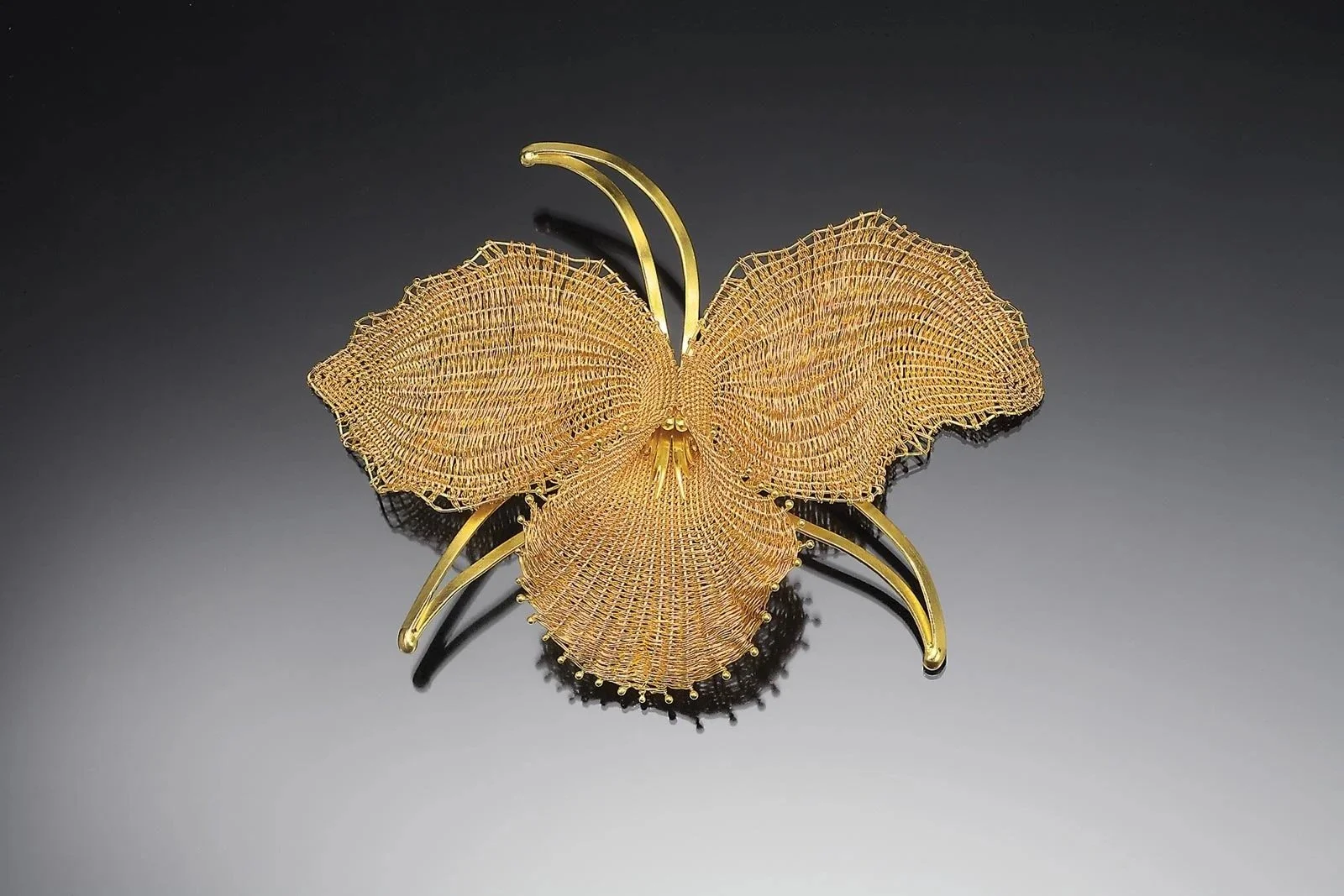
Makers Who Shaped Me: Mary Lee Hu and the Discipline of a Single Line
Mary Lee Hu transformed woven metal wire into a distinctive jewelry language. Her work offers an important lesson for metalsmiths: sometimes growth comes not from learning another technique, but from exploring how much possibility exists inside one you already know.
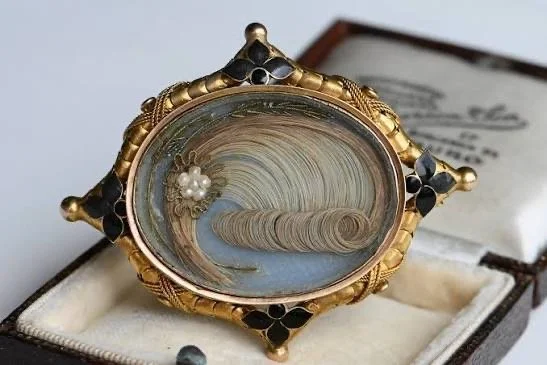
Victorian Mourning Jewelry: When Jewelry Became a Place to Remember
Victorian mourning jewelry reveals how deeply jewelry can hold memory, grief, and connection. In this Jewelry History & Design article, I explore how materials, symbolism, and intimate scale turned wearable objects into powerful reminders of the people and stories we carry with us.
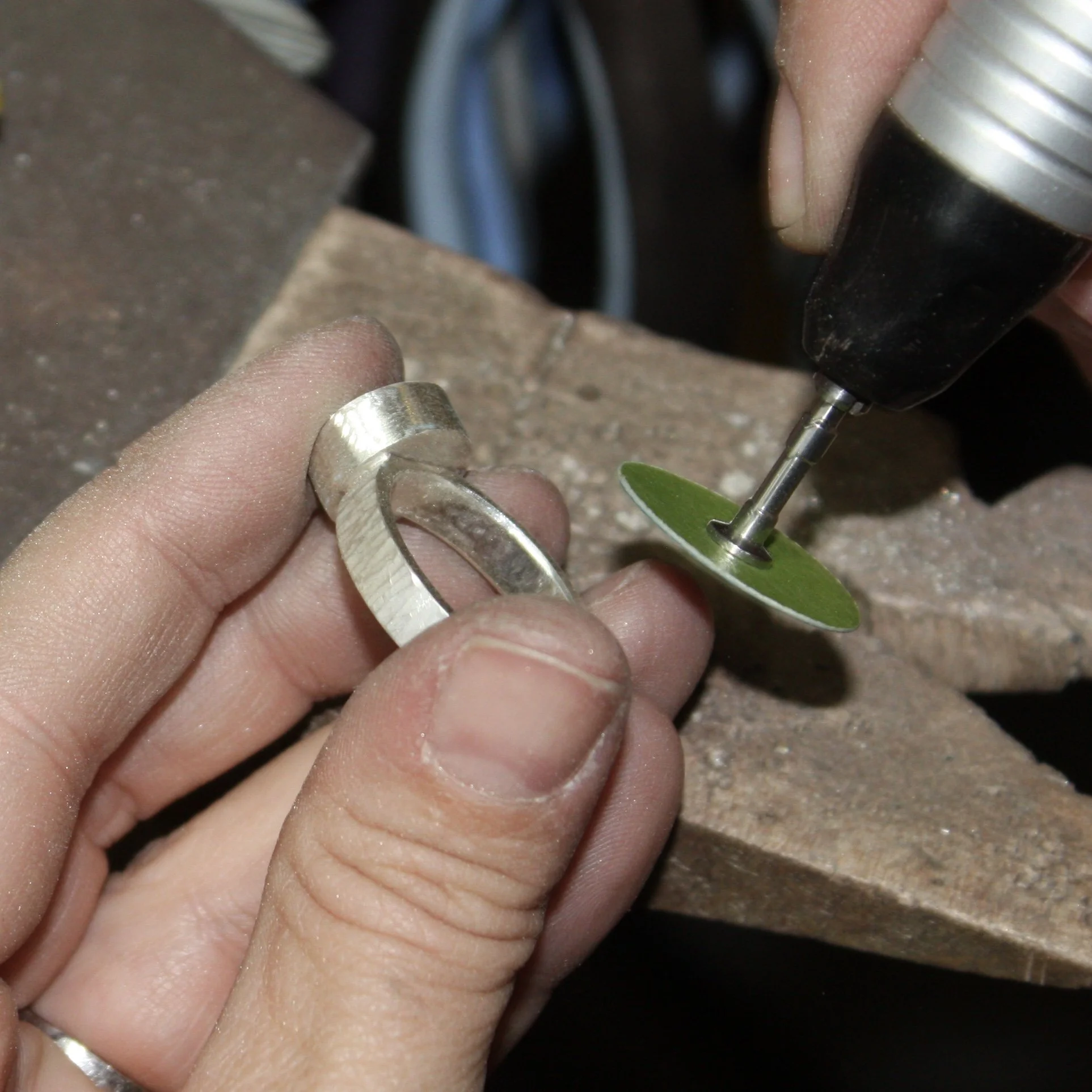
Stop Practicing Techniques. Start Making Things
Practice builds skills, but projects teach you how those skills work together. In this Metalsmith’s Learning Path article, I explore why making complete pieces—even before you feel completely ready—can reveal skill gaps, build confidence, and show you exactly what you need to learn next.
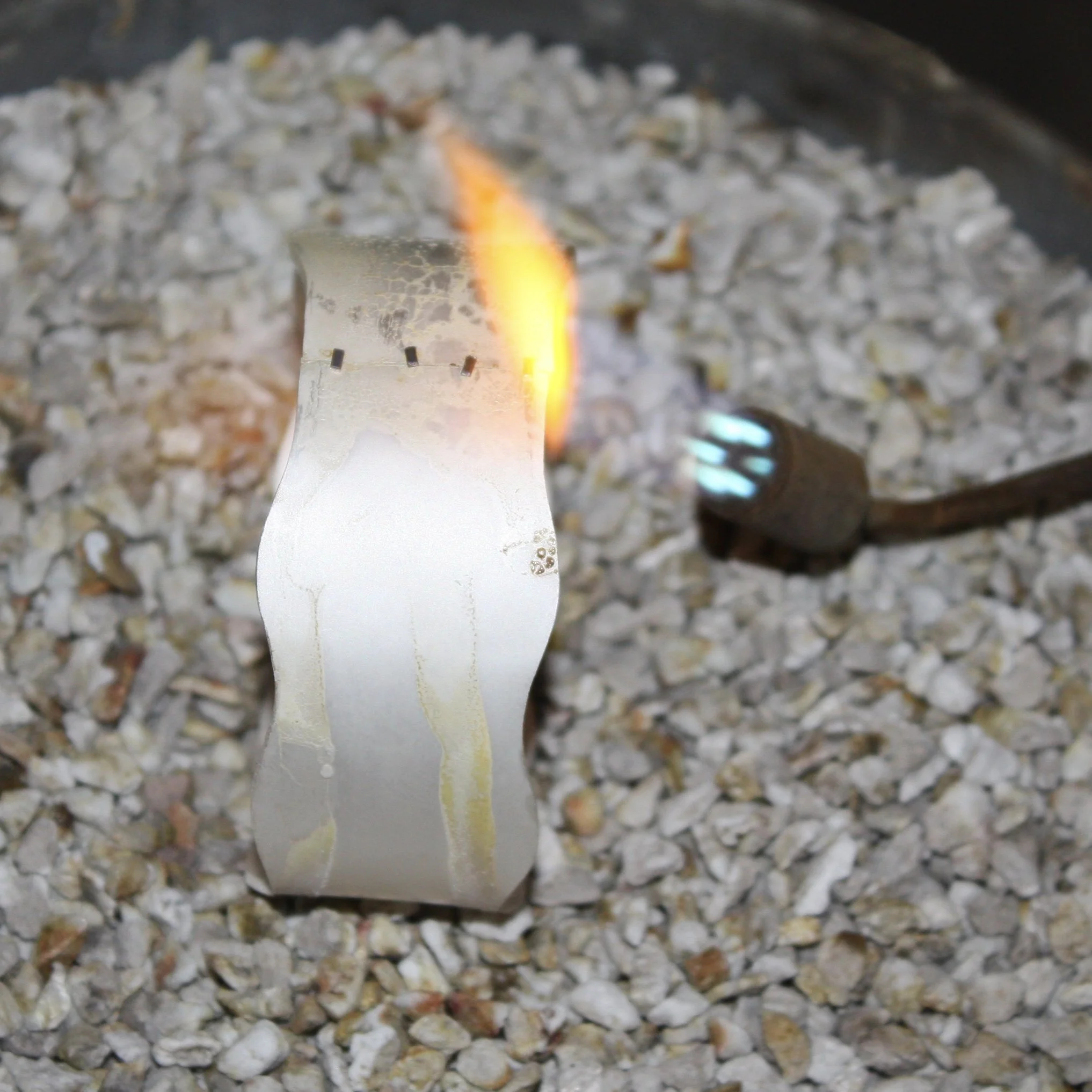
Why Your Solder Joint Failed Even Though the Solder Flowed
A solder joint can look successful and still fail later. In this At the Bench article, I break down the most common reasons a joint fails even when the solder flowed—and show you how to read the clues, troubleshoot the real cause, and build stronger, more reliable seams.
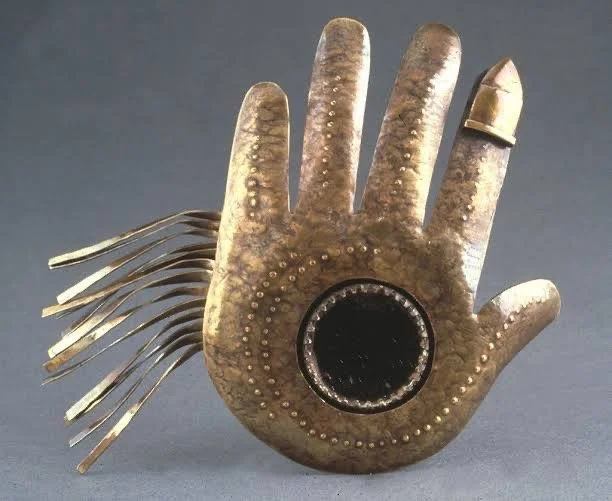
Makers Who Shaped Me: Kiff Slemmons: When Jewelry Becomes a Language
Kiff Slemmons’ jewelry reminds us that materials can carry ideas just as powerfully as words. In this installment of Makers Who Shaped Me, I explore how her poetic approach to material, imperfection, memory, and meaning has influenced the way I think about jewelry as more than decoration—as a language all its own.
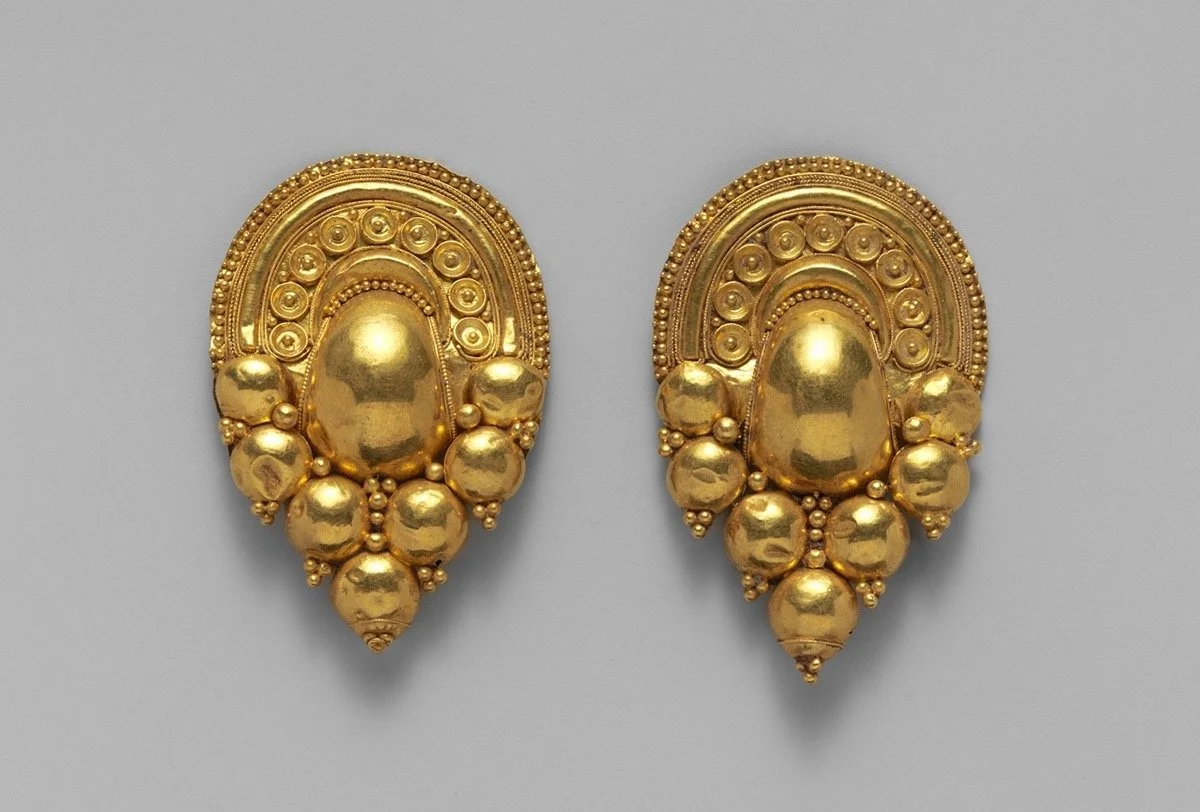
Why Ancient Jewelry Still Feels Modern
Ancient jewelry can feel surprisingly modern when you look past the museum label and study the design itself. From repetition and proportion to material, movement, and craftsmanship, historical jewelry offers timeless lessons that can still shape the way we design and make today.
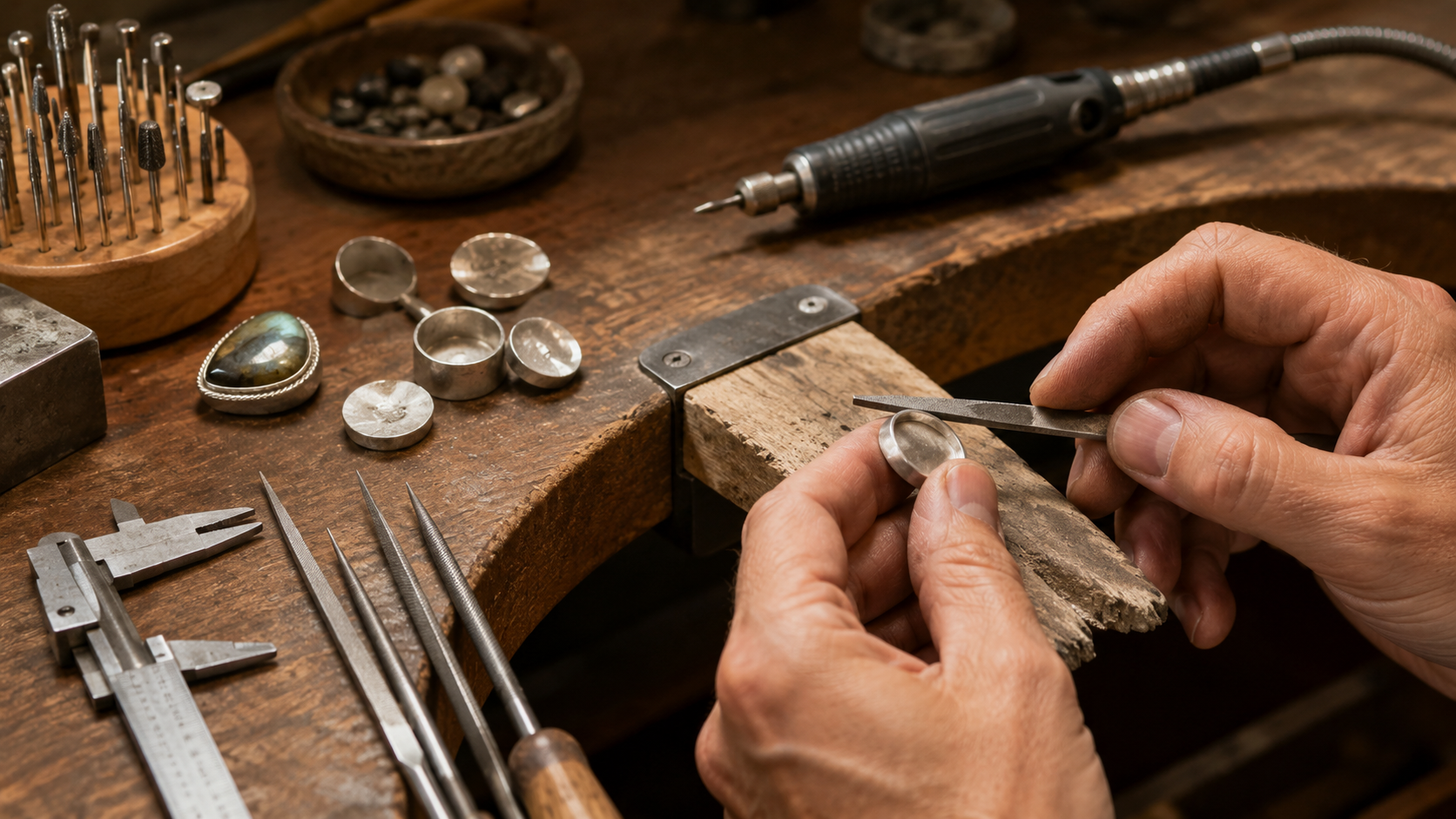
Why Your Metalsmithing Skills Sometimes Feel Stuck
Feeling stuck at the bench doesn’t always mean you need to learn a new technique. Sometimes the next step is going deeper into the skills you already have. Discover how deliberate practice, better observation, and learning to recognize patterns in your mistakes can turn frustration into real craftsmanship.
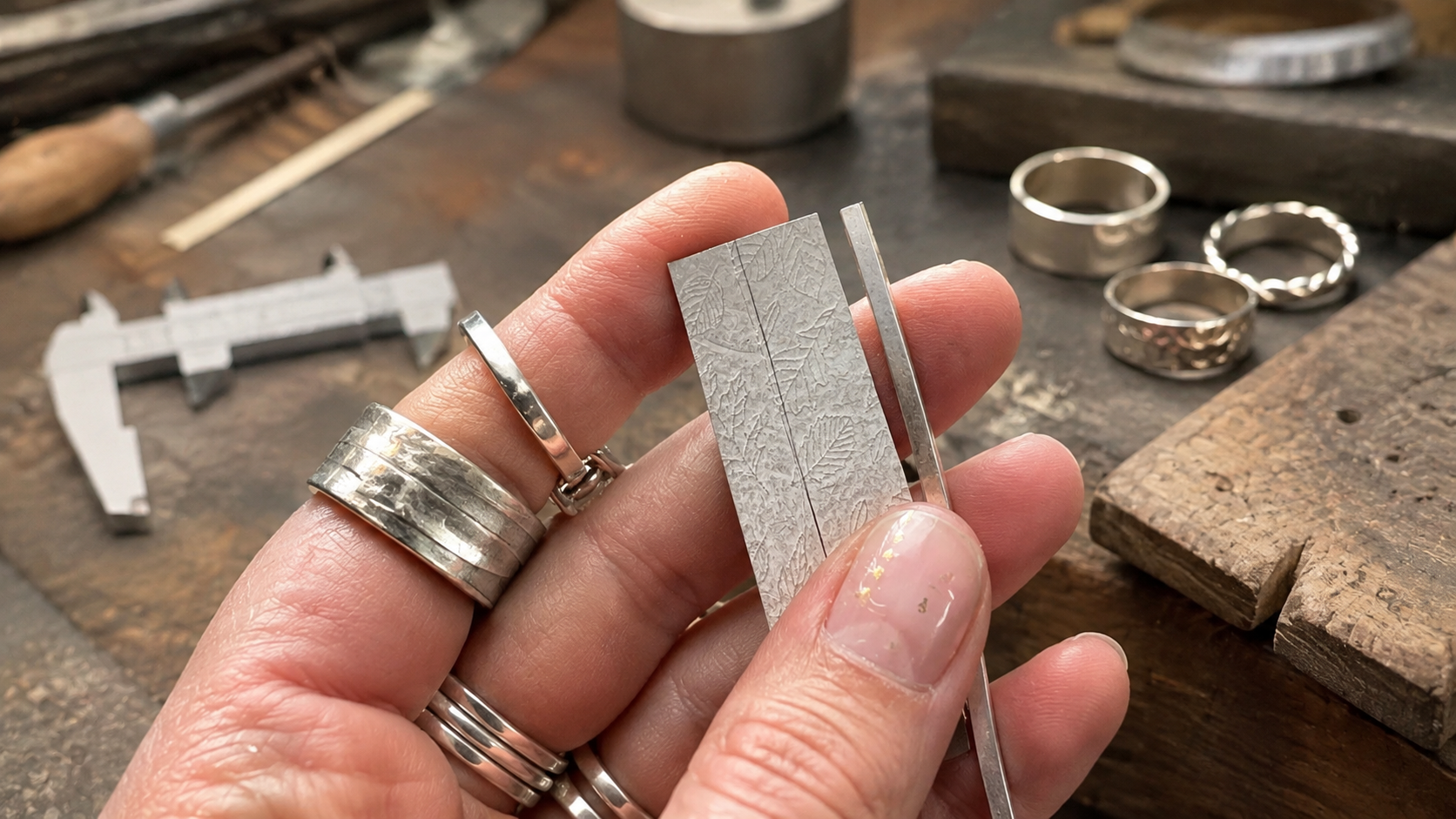
What Gauge Metal Should You Use for a Ring?
Choosing the right metal gauge for a ring isn’t as simple as following a chart. Ring width, daily wear, stone settings, finishing, and overall design all affect how thick the metal should be. In this article, I break down how I make that decision at the bench—and how you can choose ring thickness with more confidence and less guesswork.
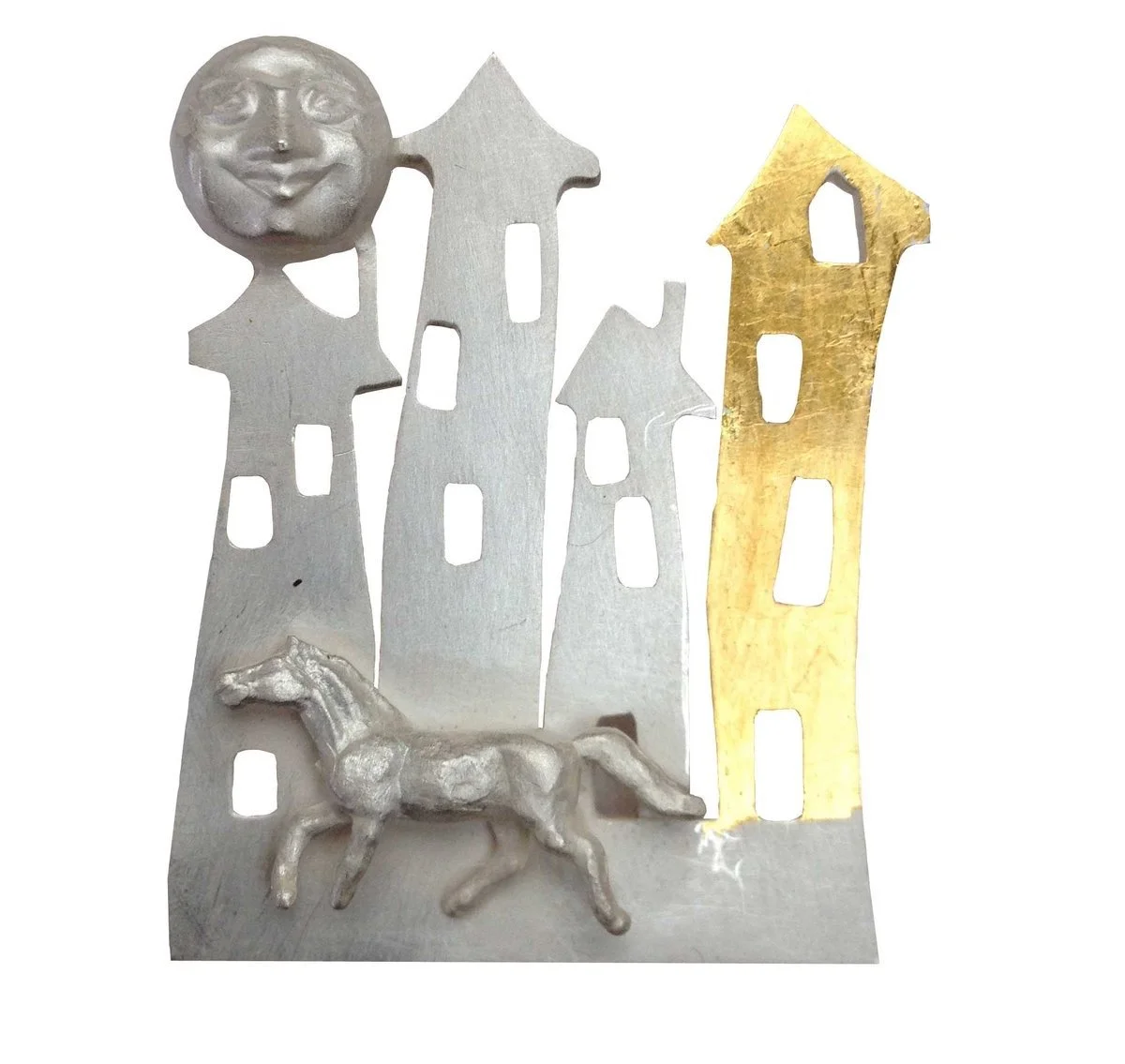
Makers Who Shaped Me: Mark Fenn and the Stories We Make in Metal
Mark Fenn’s work reminds us that jewelry can do more than decorate the body—it can carry memory, emotion, symbolism, and story. In this Makers Who Shaped Me article, I explore how his approach to narrative jewelry helped shape the way I think about meaning, personal expression, and the stories we choose to make in metal.
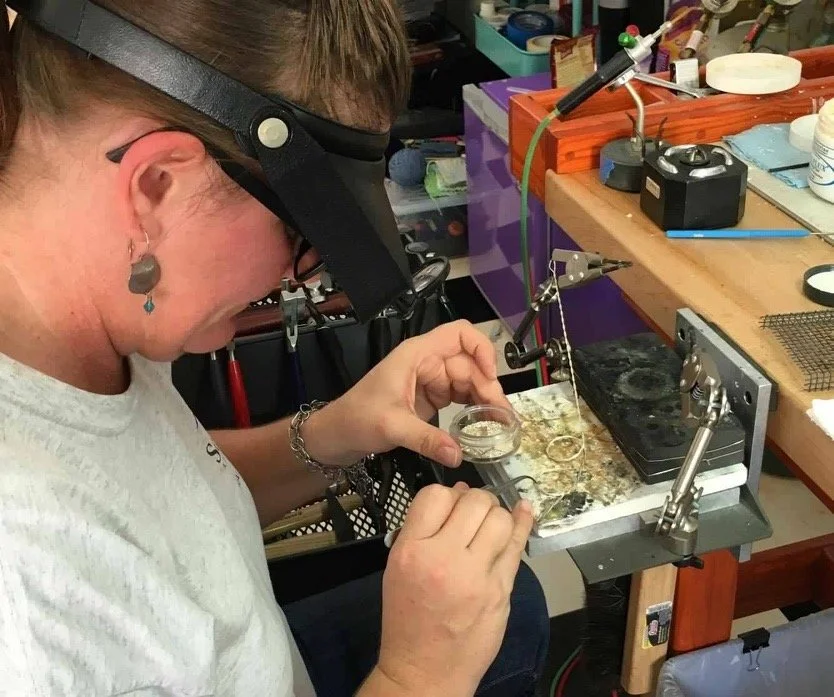
What Should You Learn Next as a Metalsmith?
Not sure what skill to tackle next at the bench? The answer may be hiding in what you already know, what keeps frustrating you, and the kind of work you want to make. This article explores how to build your metalsmithing skills intentionally—one strong layer at a time.
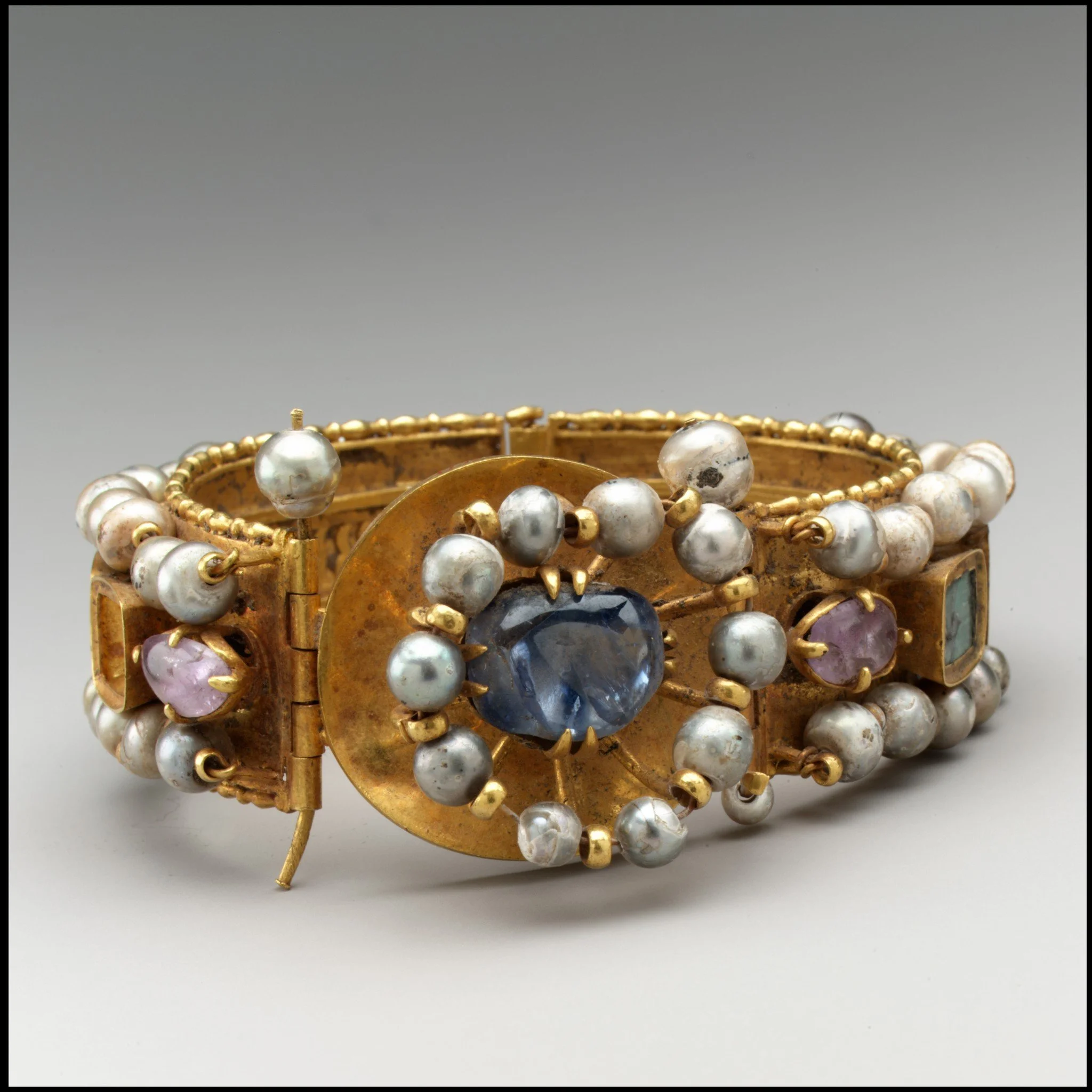
Why Jewelry History Can Make You a Better Metalsmith
Jewelry history is more than dates, styles, and old objects—it is a record of how generations of makers solved the same design and fabrication problems we still face today. Studying the past can sharpen your eye, deepen your understanding of technique, and inspire better decisions at your own bench.
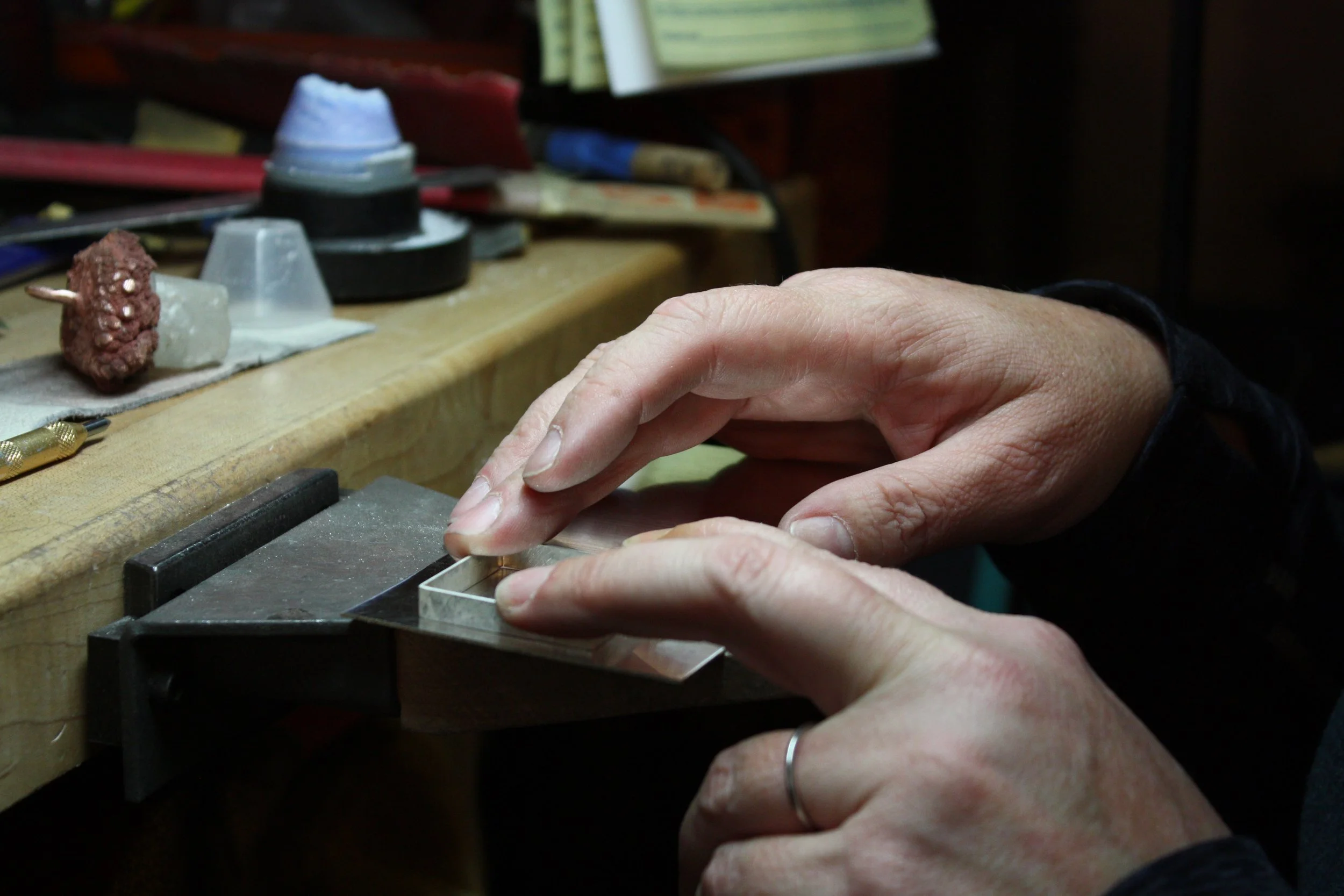
What the Metal Is Trying to Tell You at the Bench
When something goes wrong at the bench, it isn’t always a mistake—it’s often information. A collapsing bezel, stubborn solder seam, or rocking stone can tell you exactly where to look next. Learning to read those clues is one of the most valuable skills a metalsmith can develop.
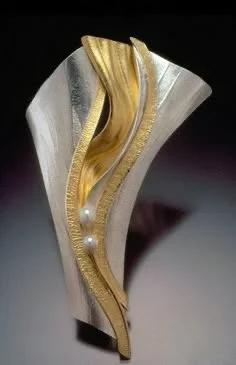
The Makers Who Shaped Me: Betty Helen Longhi: Learning to Make Metal Feel Alive
Betty Helen Longhi showed me that metal could be more than hard, flat, and structural—it could feel organic, fluid, and alive. Her approach to forming helped shape the way I explored anatomy and natural forms in my own work, while her philosophy of teaching process rather than product continues to influence the mentor I am today.
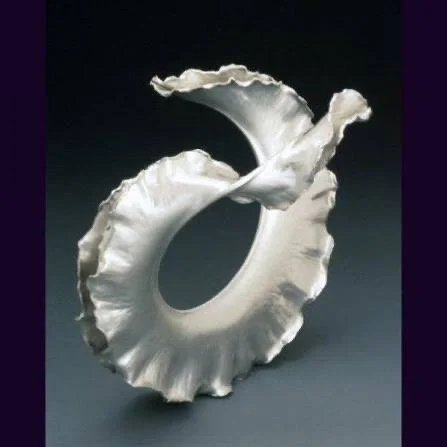
The Makers Who Shaped Me: Cynthia Eid: The Artist Who Never Stopped Asking "What If?"
Cynthia Eid taught me that metalsmithing is as much about curiosity and problem-solving as it is technique. From her innovative approaches to forming metal to her generosity in sharing knowledge, her work encouraged me to keep asking, “What if there’s another way?” Meeting her at the SNAG conference made that influence even more meaningful.
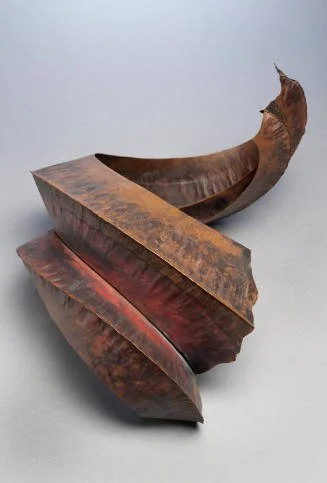
The Makers Who Shaped Me: Charles Lewton-Brain and the Art of Thinking Like a Metalsmith
Charles Lewton-Brain is celebrated for revolutionizing Foldforming, but his greatest influence on me went far beyond a single technique. In this personal reflection, I share how his philosophy of curiosity and experimentation shaped my work—and what it was like to meet and discuss my MFA thesis with one of my lifelong metalsmithing heroes.
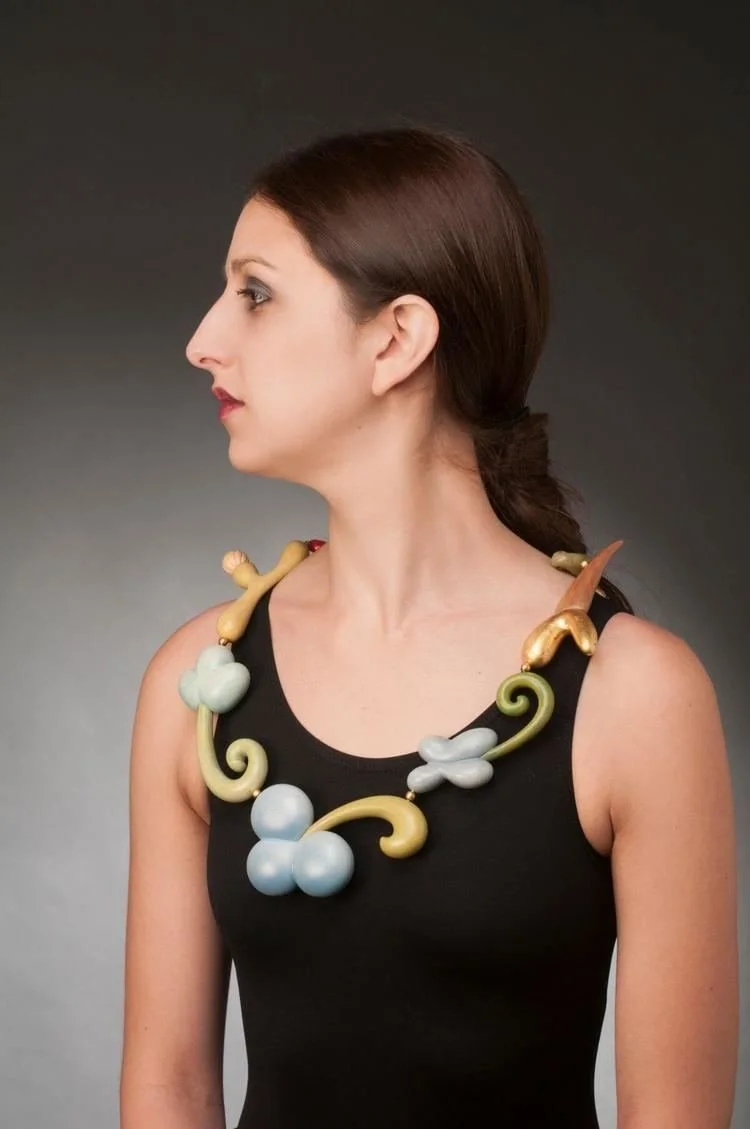
The Makers Who Shaped Me: Bruce Metcalf, The Jeweler Who Taught Me That Objects Can Think
Bruce Metcalf didn't just influence the way I looked at jewelry—he changed the way I thought about it. His work taught me that a piece can be far more than beautiful craftsmanship; it can carry ideas, tell stories, and invite difficult questions. Looking back at my own MFA thesis work, I can now see how his philosophy quietly shaped my approach, encouraging me to create objects that communicated meaning rather than simply adornment. In this article, I explore Metcalf's remarkable body of work and reflect on how his curiosity and intellectual approach to making continue to influence both my art and the way I teach metalsmithing today.