

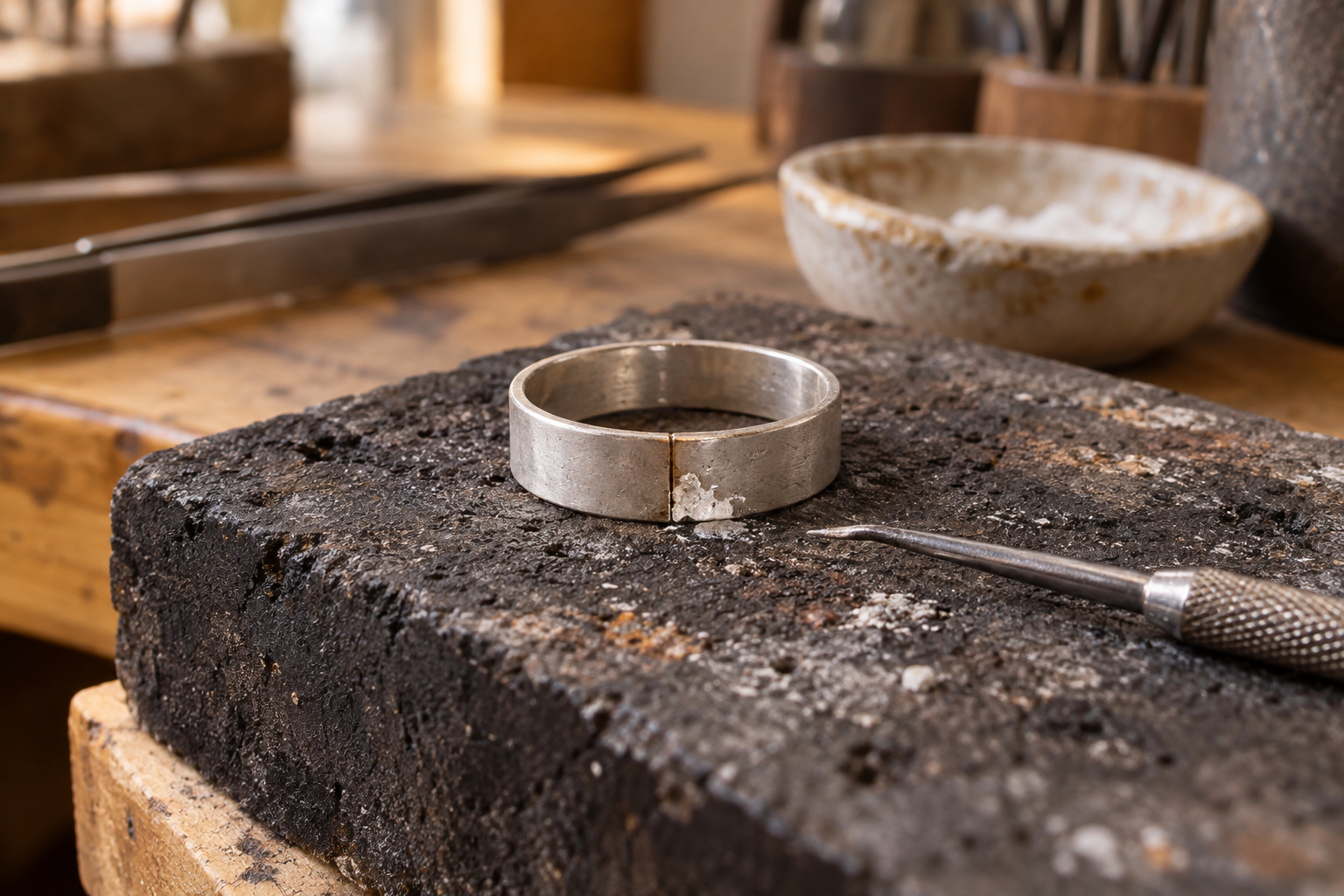
Why Your Solder Flows Away from the Seam
Solder beside a seam tells you that something melted. It does not tell you that the joint was ready. Read the evidence before adding another chip or reaching for more heat.
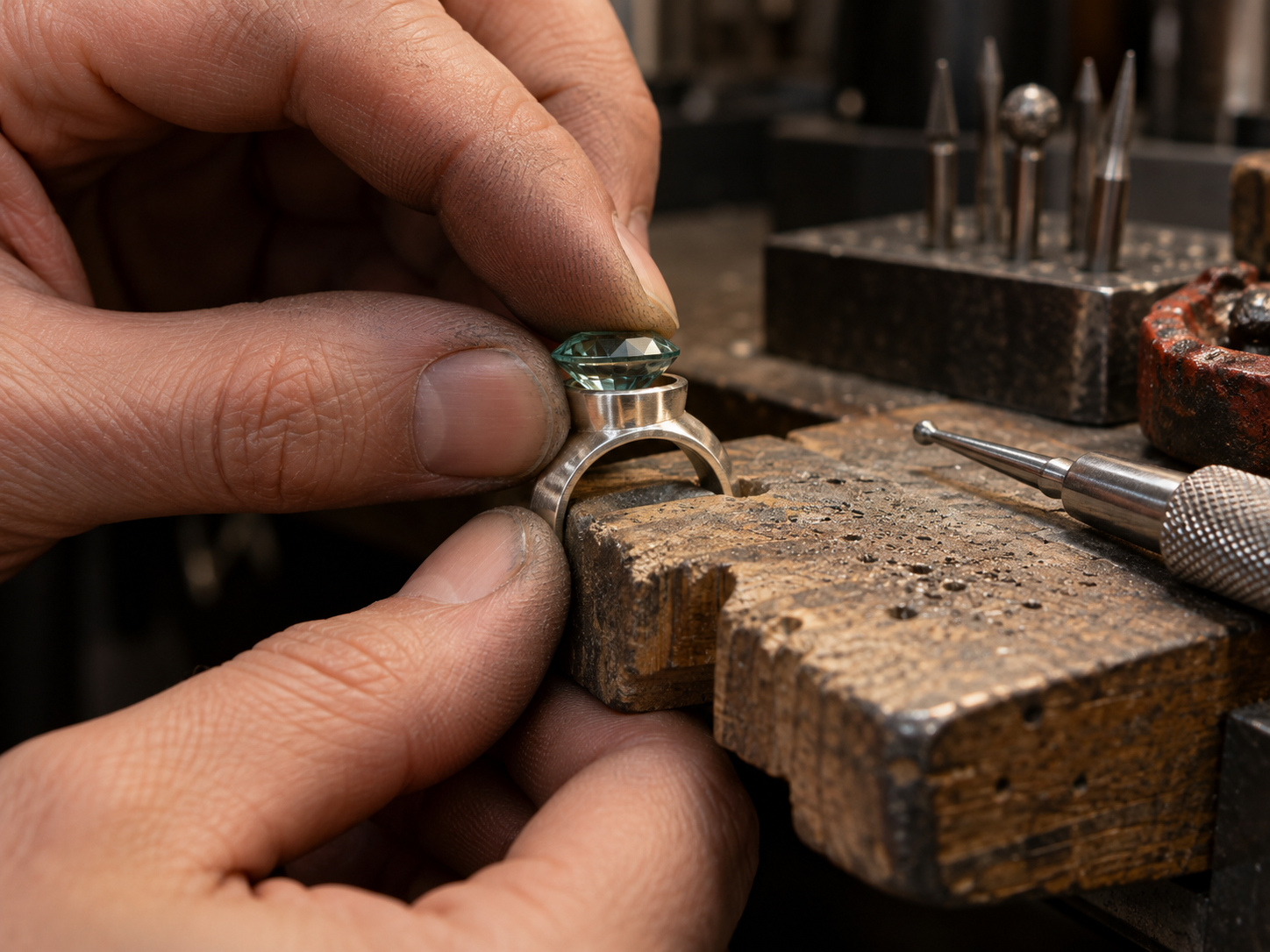
How to Know When to Stop Cutting a Stone Seat
Cutting a stone seat is one of those bench operations where one more pass with the bur can turn an almost-correct setting into a much harder problem. The skill is not simply learning how to cut the seat. It is learning how to recognize when you have cut enough.
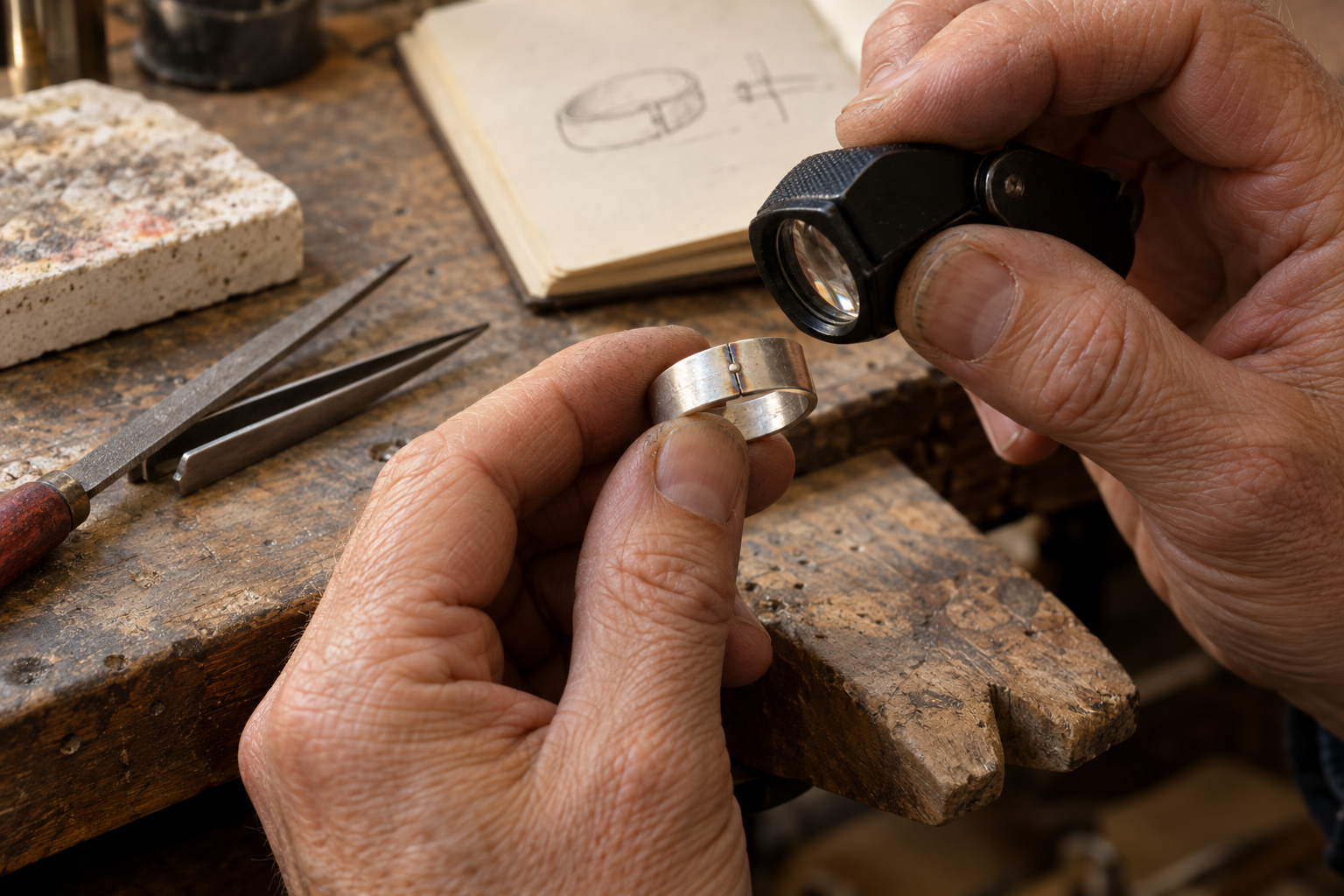
Before You Solder Again How to Read a Failed Joint
Before you add more solder or reach for a larger torch tip, examine what the failed attempt left behind. The joint may already contain the clues you need to make the next attempt more useful.
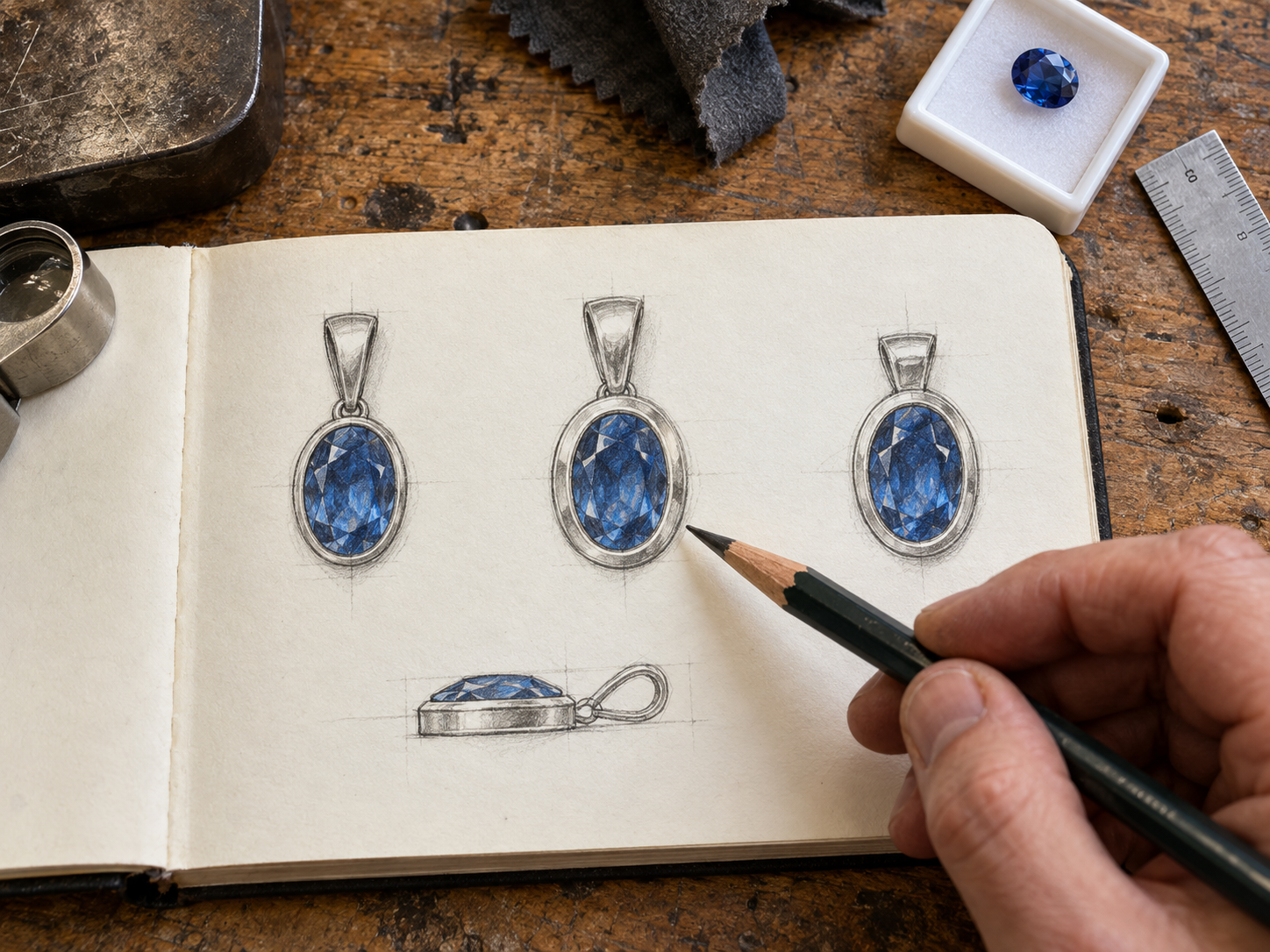
From Following Projects to Making Design Decisions
Knowing the steps of a project does not always tell you why a design works. Start building independent judgment by naming the purpose of a piece and testing one choice at a time.
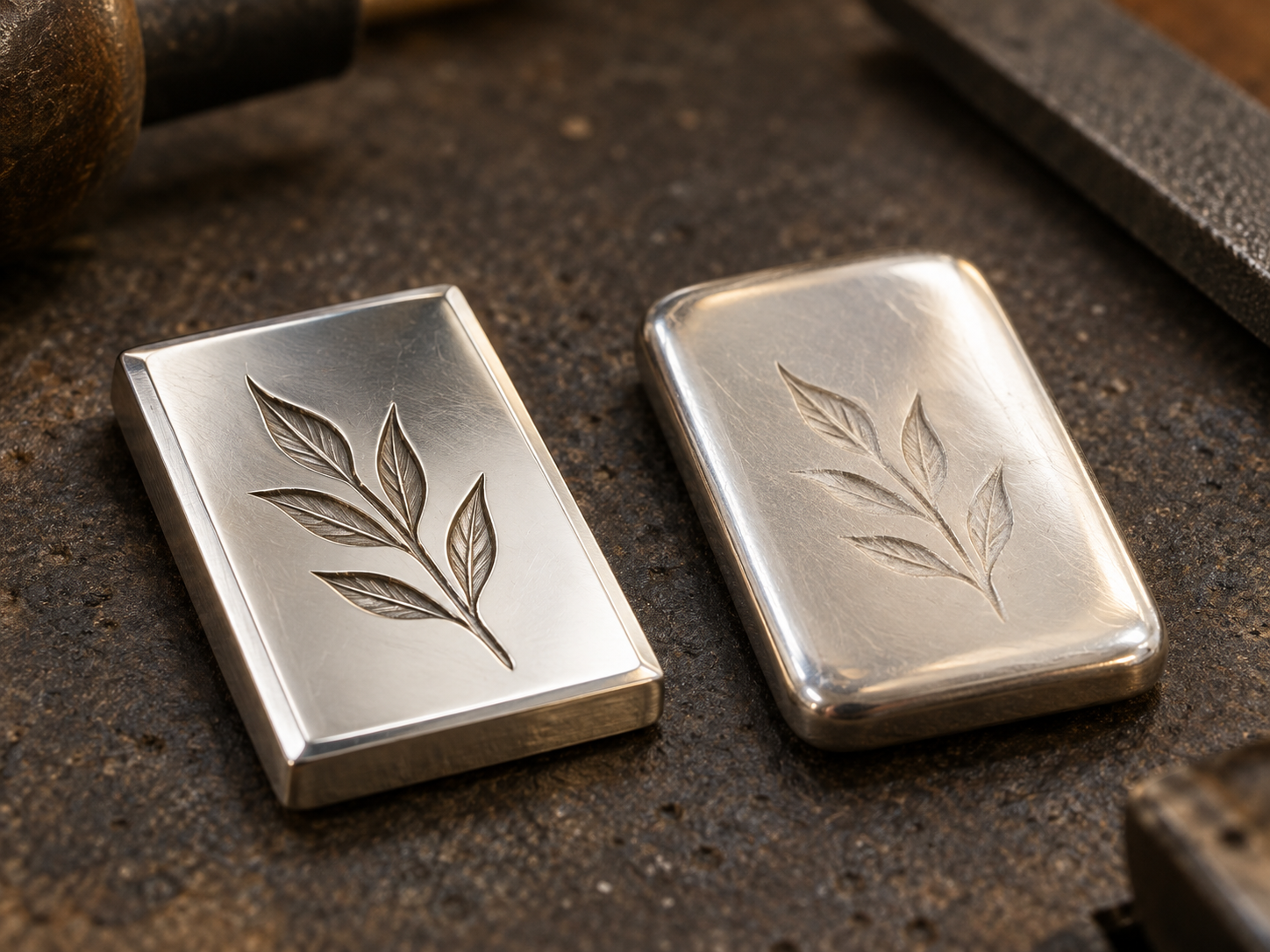
Polishing Without Erasing the Work You Just Made
A bright surface can still carry deep scratches, softened edges, and lost detail. Better polishing begins with deciding what the surface needs and what must be protected.
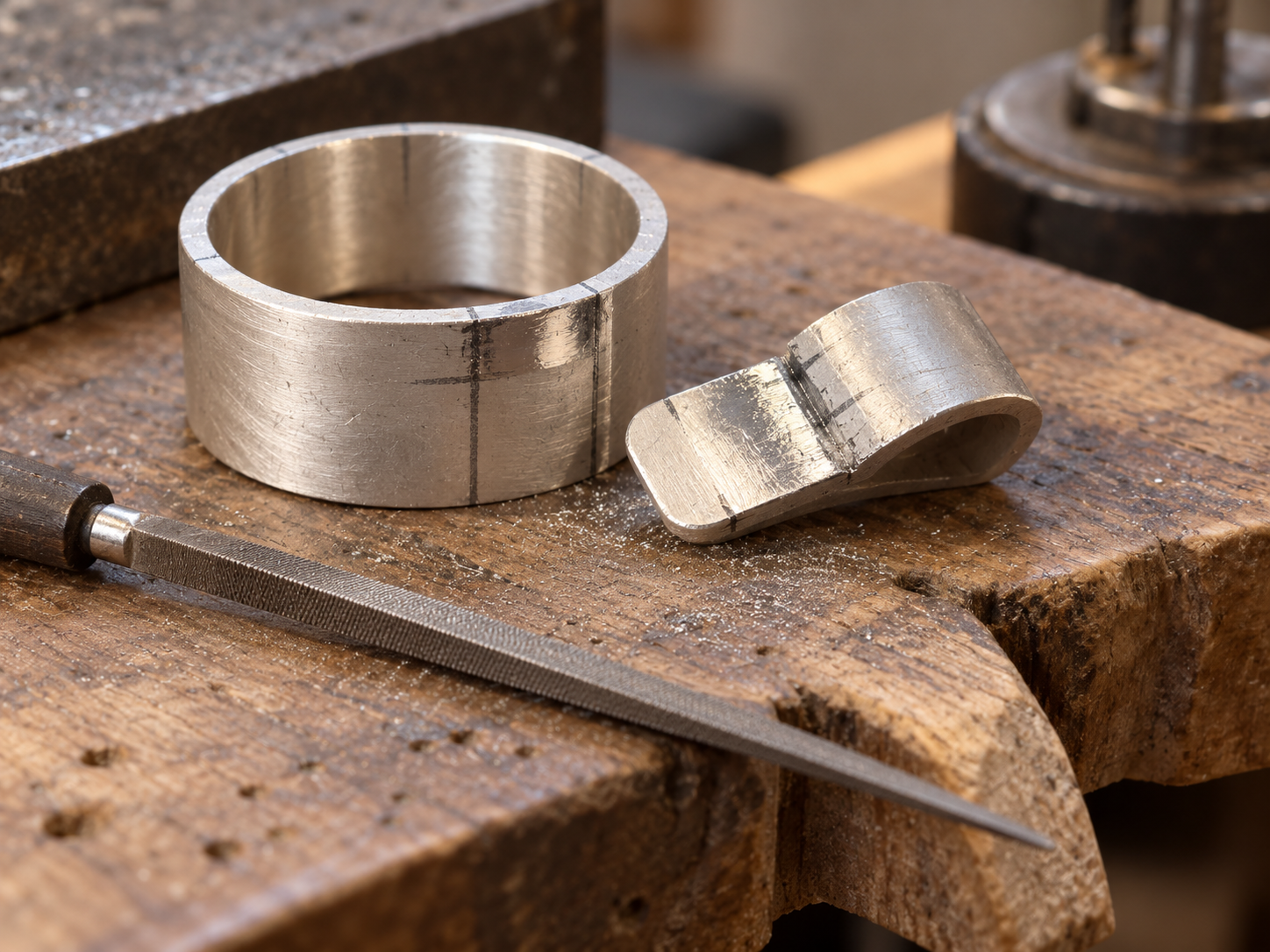
Filing for Fit: How to Make Two Surfaces Actually Meet
Before you troubleshoot the torch, look at the joint. Good soldering begins with surfaces that actually meet—and filing for fit is how you make that happen.
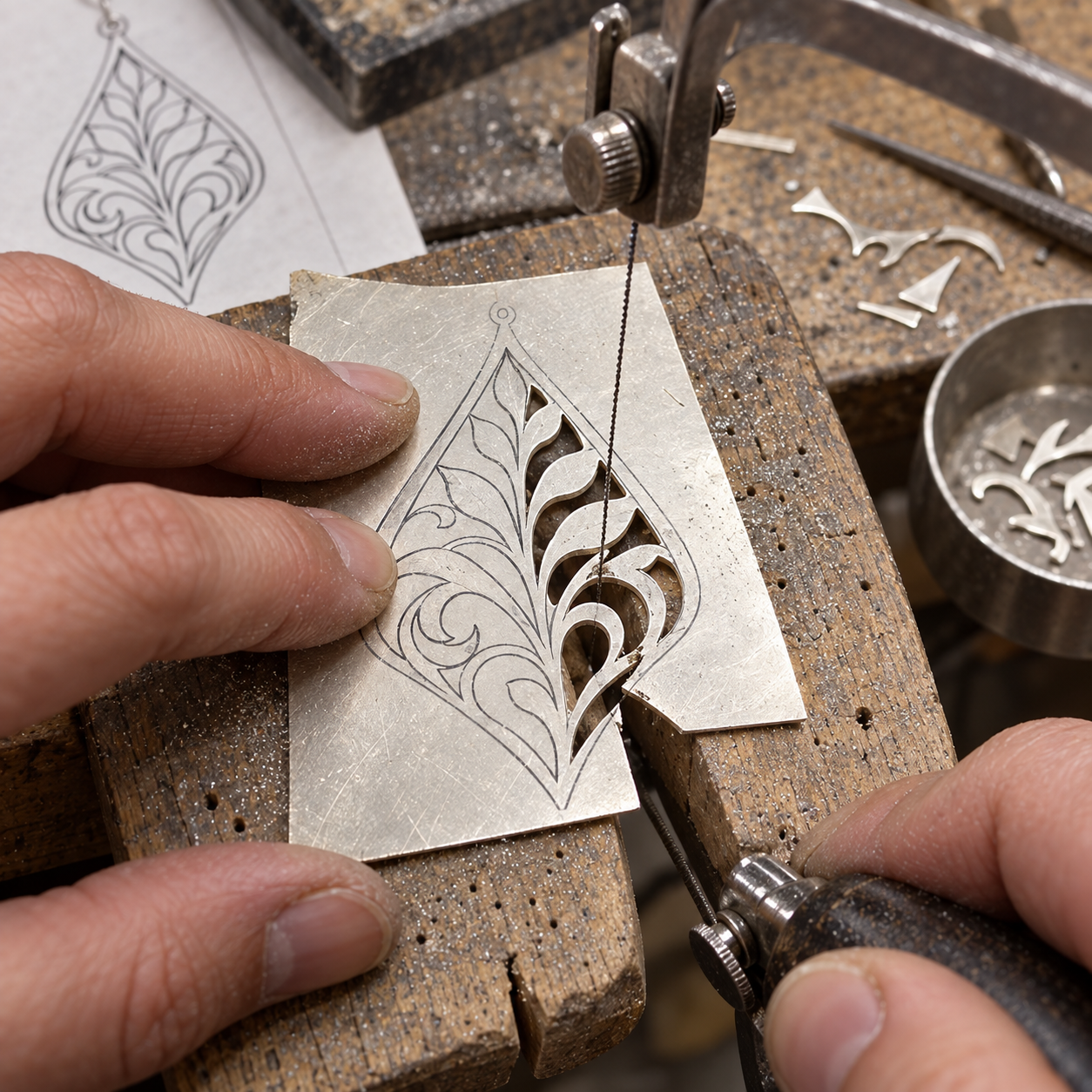
Saw Piercing Accuracy: The Three Things That Matter More Than Speed
A faster jeweler’s saw does not automatically make a cleaner cut. Before you chase speed, get these three fundamentals under control: blade tension, a vertical frame, and how you move the metal.

The Stone Fits—but It Still Rocks. What Should You Check?
A gemstone can fit the opening and still be unstable. Learn how to diagnose seat depth, girdle irregularity, pavilion clearance, and setting distortion before tightening more metal.

Why Does My Bezel Get Wavy? Diagnose the Distortion Before You Keep Pushing
A wavy bezel is usually a symptom, not the real problem. Learn how fit, seat depth, bezel height, tool position, and uneven pressure can distort a setting.

Solder Won't Flow: What Should You Check First?
When solder refuses to flow, adding more heat isn't always the answer. Learn how to troubleshoot joint fit, cleanliness, flux, heat distribution, and solder placement before reaching for the torch again.

Why Your Solder Joint Failed Even Though the Solder Flowed
A solder joint can look successful and still fail later. In this At the Bench article, I break down the most common reasons a joint fails even when the solder flowed—and show you how to read the clues, troubleshoot the real cause, and build stronger, more reliable seams.

What Gauge Metal Should You Use for a Ring?
Choosing the right metal gauge for a ring isn’t as simple as following a chart. Ring width, daily wear, stone settings, finishing, and overall design all affect how thick the metal should be. In this article, I break down how I make that decision at the bench—and how you can choose ring thickness with more confidence and less guesswork.

What the Metal Is Trying to Tell You at the Bench
When something goes wrong at the bench, it isn’t always a mistake—it’s often information. A collapsing bezel, stubborn solder seam, or rocking stone can tell you exactly where to look next. Learning to read those clues is one of the most valuable skills a metalsmith can develop.